By Dan Mughogho | Published October 10, 2026 | Updated October 12, 2026
U.S. President Donald Trump’s announcement of a major diesel supply arrangement with Russian President Vladimir Putin has triggered sharp criticism from Ukraine, reopened debate over sanctions against Moscow and raised questions about whether additional Russian fuel can bring meaningful relief to consumers.
Trump announced on October 9 that Russia would begin supplying more than 300,000 tonnes of diesel to the United States and global markets, with further shipments planned in the following months. His administration also moved to temporarily ease restrictions affecting Russian diesel transactions, marking a significant shift in the energy sanctions policy introduced after Russia’s full-scale invasion of Ukraine in 2022.
Ukrainian President Volodymyr Zelenskyy condemned the move, describing it as a gift to Putin and arguing that allowing Russia to earn more from petroleum products could help prolong the war. The dispute has placed energy prices, sanctions enforcement and the future of U.S. support for Ukraine at the centre of a growing diplomatic controversy.
Trump says the arrangement will help increase fuel availability and reduce prices. Critics, however, question whether the announced volumes are sufficient to ease the global diesel shortage and warn that renewed access to the U.S. market could provide Russia with additional revenue.
What Trump Announced in the Russian Diesel Deal
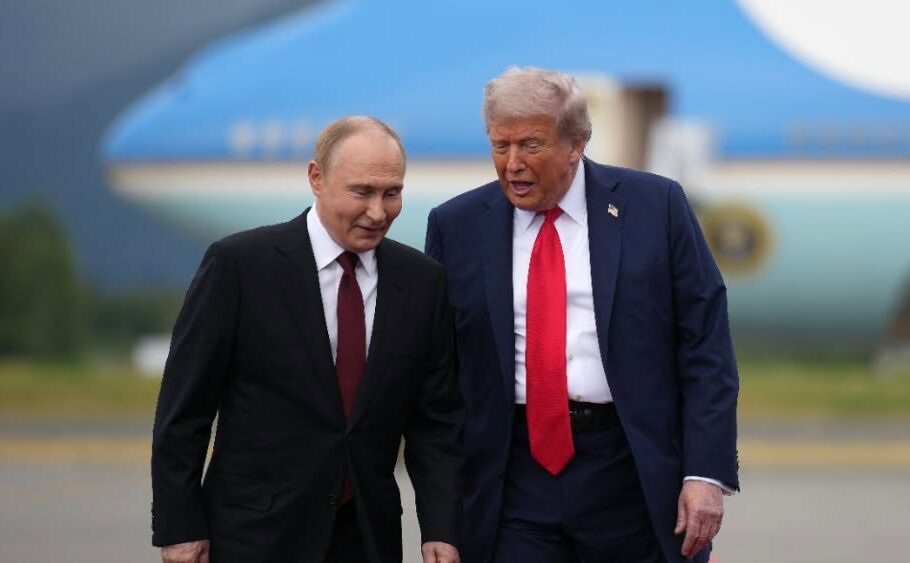
Trump announced the arrangement after a discussion with Putin. In a post on Truth Social, he described the conversation as successful and said Russia had agreed to supply diesel to American and international markets.
The announced quantities were substantial. Trump said Russia would immediately provide more than 300,000 tonnes, followed by another 500,000 tonnes during November and 1 million tonnes shortly afterwards. He also referred to an additional 3 million tonnes in the short term, depending on the condition and operating capacity of Russian diesel refineries.
Taken together, the announced quantities amount to approximately 4.8 million tonnes. That figure represents the total volume Trump described, rather than confirmation that all the fuel has already been produced, shipped or delivered.
The distinction matters because the proposed supply depends partly on refinery operations and the ability to move the fuel into international markets. Actual deliveries may take place in stages, and the final volume could depend on production conditions, transport arrangements and demand.
Trump presented the agreement as a way to increase available diesel supplies at a time when energy costs have placed pressure on households and businesses. He also linked the proposed price relief to the wider disruption of global energy routes during the conflict involving Iran and tensions surrounding the Strait of Hormuz.
The announcement has therefore created two separate questions: whether Russia can deliver the promised quantities on schedule, and whether the additional supply will be large enough to produce a noticeable reduction in fuel prices.
US Temporarily Eases Restrictions on Russian Diesel
The diesel announcement was accompanied by temporary sanctions relief affecting Russian fuel transactions.
The U.S. Treasury Department’s Office of Foreign Assets Control, known as OFAC, issued a temporary general licence permitting specified transactions involving Russian diesel. The permitted activities described in the announcement include sales, delivery, unloading and imports into the United States, subject to the licence’s terms and time limits.
The measure temporarily relaxes restrictions that had been part of the U.S. response to Russia’s invasion of Ukraine in 2022. Washington had used energy sanctions to limit Moscow’s access to markets and reduce revenue that could support its war effort.
The new arrangement does not mean that every U.S. sanction on Russia has been removed. The scope of the relief depends on the specific licence and the transactions it authorises. Other restrictions may continue to apply, and companies involved in shipments must comply with the applicable legal requirements.
The timing has attracted particular attention because the policy change comes while the war in Ukraine remains unresolved and the United States continues to face pressure over energy costs.
For supporters of the decision, the priority is increasing fuel availability and easing pressure on consumers. For critics, the concern is that temporarily reopening a route for Russian energy sales could weaken the economic pressure Washington has sought to maintain against Moscow.
The disagreement also raises a broader policy question: how should governments balance immediate energy needs against sanctions designed to influence the conduct of another state?
Why Zelenskyy Condemned the Deal
Zelenskyy reacted angrily to the announcement, arguing that the agreement could benefit Russia while Ukraine continues to face the consequences of the war.
In a public statement, the Ukrainian president said the deal would not bring peace and warned that Russia could respond to the opportunity to sell more petroleum products with further attacks rather than a genuine move towards ending the conflict.
He described the arrangement as a gift to Putin, a remark that reflected Ukraine’s concern about the timing of the announcement and the financial implications for Moscow.
Ukraine’s objection centres on the relationship between energy revenue and the war. Russia is a major producer and exporter of petroleum products, and access to international buyers can provide income to companies and the wider economy. Kyiv argues that policies allowing Russia to expand its energy sales should be assessed in light of the continuing military conflict.
From Ukraine’s perspective, a temporary relaxation of restrictions risks sending the wrong message: that economic pressure can be reduced even while the country remains under attack.
The dispute also highlights the difference between Washington’s immediate energy priorities and Kyiv’s security priorities. The Trump administration has emphasised the need to increase fuel supplies and address rising prices. Ukraine has argued that maintaining pressure on Moscow remains important to securing a lasting peace.
The deal has not, by itself, established whether Russia will change its military policy or whether additional fuel revenue will alter the course of the war. Those outcomes remain uncertain.
Why Diesel Prices Have Become a Political Issue in the United States
Diesel is central to the movement of goods and the operation of major parts of the economy. Trucks use it to transport food, manufactured products and other supplies. Agricultural machinery relies on diesel, while some businesses and households also depend on diesel-powered equipment and heating systems.
When diesel prices rise, the effects can spread well beyond filling stations. Higher transport costs can increase the cost of moving goods, putting pressure on businesses that may eventually pass some expenses on to customers.
The recent energy disruptions have intensified these concerns. The conflict involving Iran and the risks surrounding shipping through the Strait of Hormuz have added uncertainty to an already strained energy market. Disruptions affecting oil production, refining and transport can influence fuel prices even in countries that do not directly depend on one particular shipping route.
Newsaih has also followed the wider regional implications in its coverage of the US-Iran conflict and its impact on the UAE and the deepening Strait of Hormuz crisis.
For the Trump administration, rising fuel costs have become politically sensitive ahead of the November 3 congressional midterm elections. Higher transport and energy bills can influence public confidence in the economy and create pressure on elected officials to demonstrate that they are responding to the cost of living.
Trump’s Russian diesel announcement appears intended, in part, to show that his administration is pursuing additional supply options. However, the political value of the announcement will depend on whether the promised fuel reaches the market and whether consumers experience a meaningful improvement in prices.
An announced agreement is not the same as a reduction in the price paid by drivers, farmers, transport companies or other diesel users.
Can Russian Diesel Actually Lower Fuel Prices?
The proposed supply could add fuel to international markets, but analysts have questioned whether the announced quantities will be enough to resolve the wider shortage.
Diesel prices are influenced by several factors, including crude oil costs, refinery capacity, transport expenses, inventories, seasonal demand and disruptions to international trade. Increasing supply from one country can help, but it does not automatically remove the pressures affecting the entire market.
Russia’s ability to deliver the announced volumes is another important consideration. Trump linked part of the proposed supply to the condition of Russian refineries. If facilities are undergoing maintenance or operating below capacity, shipments may not arrive as quickly as planned.
The global impact will also depend on where the fuel is delivered and how buyers use it. A shipment entering one market may reduce competition for available supplies elsewhere, but it may not produce an equal price reduction across all regions.
There is also a difference between a short-term market reaction and lasting price relief. Energy prices can move immediately after a major announcement because traders adjust their expectations. Sustained reductions generally require physical supplies to reach buyers and remain available over time.
For these reasons, the deal should not be treated as a guarantee that diesel prices will fall sharply. Its eventual effect will depend on the quantity delivered, the speed of shipments and the condition of the wider energy market.
What the 4.8 Million-Tonne Figure Means
The total of approximately 4.8 million tonnes has become one of the most prominent details of the announcement. However, the number needs context.
The total combines the separate quantities Trump described: more than 300,000 tonnes immediately, 500,000 tonnes in November, 1 million tonnes shortly afterwards and a further 3 million tonnes in the short term.
Those figures describe a proposed supply schedule rather than a verified delivery record. They also depend on the operating condition of Russian refineries and the practical arrangements required to export the fuel.
The distinction is important for readers assessing claims that the agreement will solve the diesel shortage. The headline volume may appear large, but its impact depends on the amount delivered over a given period and the size of demand in the markets receiving it.
It is also necessary to distinguish between fuel made available to the global market and fuel imported directly into the United States. Trump referred to both American and international markets, so the full announced amount should not automatically be interpreted as fuel destined exclusively for U.S. buyers.
The coming weeks should provide a clearer picture of whether the announced timetable is being followed and how much of the supply reaches the intended destinations.
Russia’s Refinery Capacity Could Determine the Outcome
Russian refinery operations are a key factor in whether the agreement can deliver its intended results.
Trump said additional supplies would depend on the condition of Russia’s domestic diesel refineries. That qualification matters because refinery output is not unlimited, and maintenance or operational disruptions can affect the amount of finished fuel available for export.
The wider conflict has also affected energy infrastructure and shipping arrangements. Disruptions to production, refining and distribution can create bottlenecks even when a country has significant oil resources.
Russia’s capacity to export diesel must therefore be considered separately from its ability to produce crude oil. Crude oil generally needs to be processed into refined products before it can be used as diesel, petrol or other fuels. A country can have access to crude oil but still face constraints in producing or moving particular refined products.
The announced deal could encourage Russian suppliers to direct more diesel towards international buyers, but the actual outcome will depend on production levels, domestic needs and export logistics.
If deliveries fall short of the announced schedule, the market impact could be smaller than expected. If the supply arrives in full, it could add some flexibility to a market under pressure, although that would not necessarily resolve the underlying causes of high prices.
US Lawmakers Question the Sanctions Relief
The announcement has also prompted criticism in Washington, including from lawmakers concerned about the legal and strategic consequences of easing restrictions on Russian energy.
A bipartisan group of U.S. senators urged the administration to reverse course, arguing that allowing Russian diesel imports could undermine measures intended to limit Moscow’s ability to finance its war against Ukraine. Some lawmakers have questioned whether the move is consistent with existing legislation and the administration’s wider sanctions policy.
The dispute is significant because sanctions are not simply a tool for controlling trade. They are also part of a broader foreign-policy strategy intended to influence another government’s behaviour by restricting access to money, markets and economic opportunities.
Supporters of the diesel arrangement can argue that energy shortages require practical responses and that temporary, limited relief may help increase supply. Critics counter that easing restrictions can weaken the credibility of sanctions, particularly when the country receiving relief continues its military campaign.
The legal position depends on the precise scope of the temporary licence, the laws governing the relevant imports and how the administration applies the measure. The existence of a temporary licence does not, by itself, settle every question raised by lawmakers.
The disagreement is likely to keep the deal under scrutiny as deliveries begin and the administration explains how it intends to balance fuel affordability with its commitments concerning Russia and Ukraine.
How the Deal Could Affect US-Russia Relations
The arrangement creates an unusual situation in which Washington is seeking cooperation with Moscow on energy supplies while continuing to disagree with Russia over the war in Ukraine.
Energy trade can create mutual economic interests. Buyers want reliable supplies at competitive prices, while exporters want access to customers and revenue. However, when trade involves a country subject to sanctions, commercial decisions can also carry diplomatic and security implications.
The diesel agreement may offer a practical channel for limited cooperation, but it does not establish that the wider relationship between the United States and Russia has improved. Nor does it prove that either side has reached an agreement on the underlying issues driving the war.
The terms and implementation of the arrangement will matter. Questions about payment, delivery schedules, the scope of sanctions relief and the duration of permitted transactions will help determine its practical significance.
The deal also arrives at a time when Washington is dealing with other international tensions, including the conflict involving Iran and uncertainty around major energy routes. These developments make fuel security an increasingly important part of foreign policy.
Newsaih continues to cover these wider diplomatic developments through its World News coverage, including the international negotiations and security issues that influence energy markets.
What the Deal Means for Ukraine’s Peace Efforts
For Ukraine, the concern extends beyond the immediate sale of diesel. Kyiv wants economic pressure on Russia to remain linked to progress towards ending the war and reducing the threat of further attacks.
The Ukrainian government’s criticism reflects a belief that financial opportunities for Russia should not be expanded without considering the country’s continued military actions. If Russian energy exports generate additional revenue, Ukraine fears that the benefits could outweigh any diplomatic message Washington intends to send.
The administration’s position reflects a different immediate priority: increasing fuel supply in a market experiencing serious price pressure. The two positions are not easily reconciled because they place different weight on short-term energy affordability and long-term security objectives.
Whether the deal influences peace negotiations remains uncertain. Additional energy sales do not automatically lead to diplomatic concessions, just as restrictions on energy trade do not guarantee a change in military policy.
The wider question is whether Washington can maintain cooperation with Russia on a limited commercial issue while continuing to support a negotiated settlement that addresses Ukraine’s security concerns.
That question will become clearer only through subsequent diplomatic steps, the treatment of sanctions and the conduct of the parties involved in the conflict.
What to Watch in the Coming Weeks
Several developments will help establish the real impact of the Trump-Putin diesel deal.
First, actual deliveries. The announced quantities need to be compared with verified shipments. The difference between promised supply and delivered fuel will be central to judging the agreement’s progress.
Second, the effect on prices. Traders may react quickly to news of additional supply, but consumers and businesses need sustained changes in market conditions to experience lasting relief. Diesel prices will continue to be influenced by refinery output, transport costs and global demand.
Third, the scope of sanctions relief. The temporary licence and its implementation will determine which transactions are permitted and for how long. Any extension, change or legal challenge could affect the supply arrangement.
Fourth, the response from Ukraine and its allies. Kyiv’s objections may influence diplomatic discussions with Washington, while European governments and U.S. lawmakers may continue pressing for clarification over the consequences of the deal.
Finally, Russia’s refinery capacity. The promised volumes depend partly on operational conditions inside Russia. Production and export figures will be important indicators of whether the announced timetable is realistic.
Together, these developments will show whether the arrangement remains primarily a political announcement or becomes a significant source of additional diesel in international markets.
Frequently Asked Questions
What is the Trump-Putin diesel deal?
It is an arrangement announced by President Donald Trump on October 9, 2026, under which Russia is expected to supply diesel to U.S. and global markets in stages. The announcement included more than 300,000 tonnes immediately, followed by additional quantities in the coming months.
Why is Zelenskyy angry about the deal?
Ukrainian President Volodymyr Zelenskyy argues that allowing Russia to sell more petroleum products could provide additional revenue while the war continues. He has criticised the agreement as a benefit to Putin that does not guarantee progress towards peace.
How much diesel has Russia promised to supply?
Trump described announced quantities totalling approximately 4.8 million tonnes. This includes an initial supply, further shipments in November and subsequent deliveries. The figure is an announced total, not confirmation that all the fuel has been delivered.
Why did the United States ease Russian fuel sanctions?
The administration presented the move as part of an effort to increase diesel availability and help ease high fuel prices. The temporary licence permits specified transactions under its terms; it does not mean that all sanctions against Russia have been lifted.
Will the agreement reduce diesel prices?
It could add supply to the market, but a significant or lasting price reduction is not guaranteed. The effect will depend on actual deliveries, refinery capacity, global demand, shipping conditions and other energy-market pressures.
Does the agreement end US sanctions against Russia?
No. The measure described is temporary and applies to specified transactions. Other sanctions may remain in force, and the exact legal scope depends on the applicable licence and restrictions.
How could the deal affect the Ukraine war?
Critics argue that additional Russian energy revenue could weaken economic pressure on Moscow. However, the agreement alone does not establish whether Russia’s military actions or its position in peace negotiations will change.
Conclusion
Trump’s diesel arrangement with Putin has opened a new dispute over the relationship between energy security and the international response to Russia’s war against Ukraine.
The U.S. administration is seeking additional supplies as diesel prices put pressure on consumers and businesses. Ukraine, meanwhile, argues that easing restrictions on Russian petroleum products risks providing economic benefits to Moscow without securing peace.
The announced total of approximately 4.8 million tonnes has attracted attention, but its importance will depend on how much fuel is actually delivered, how quickly it reaches buyers and whether it changes market conditions. The temporary sanctions relief will also remain under scrutiny as lawmakers and allies assess its legal and strategic consequences.
For now, the deal is a significant policy announcement, but its effects on fuel prices, U.S.-Russia relations and the war in Ukraine remain to be seen.
For more international developments, read the latest reports in Newsaih World News. For business and energy-market coverage, visit Newsaih Business.
Contact Newsaih: Info@newsaih.com
Editorial note: The announced supply volumes are attributed to Trump’s public statement. They should not be interpreted as confirmed deliveries unless supported by subsequent reporting.