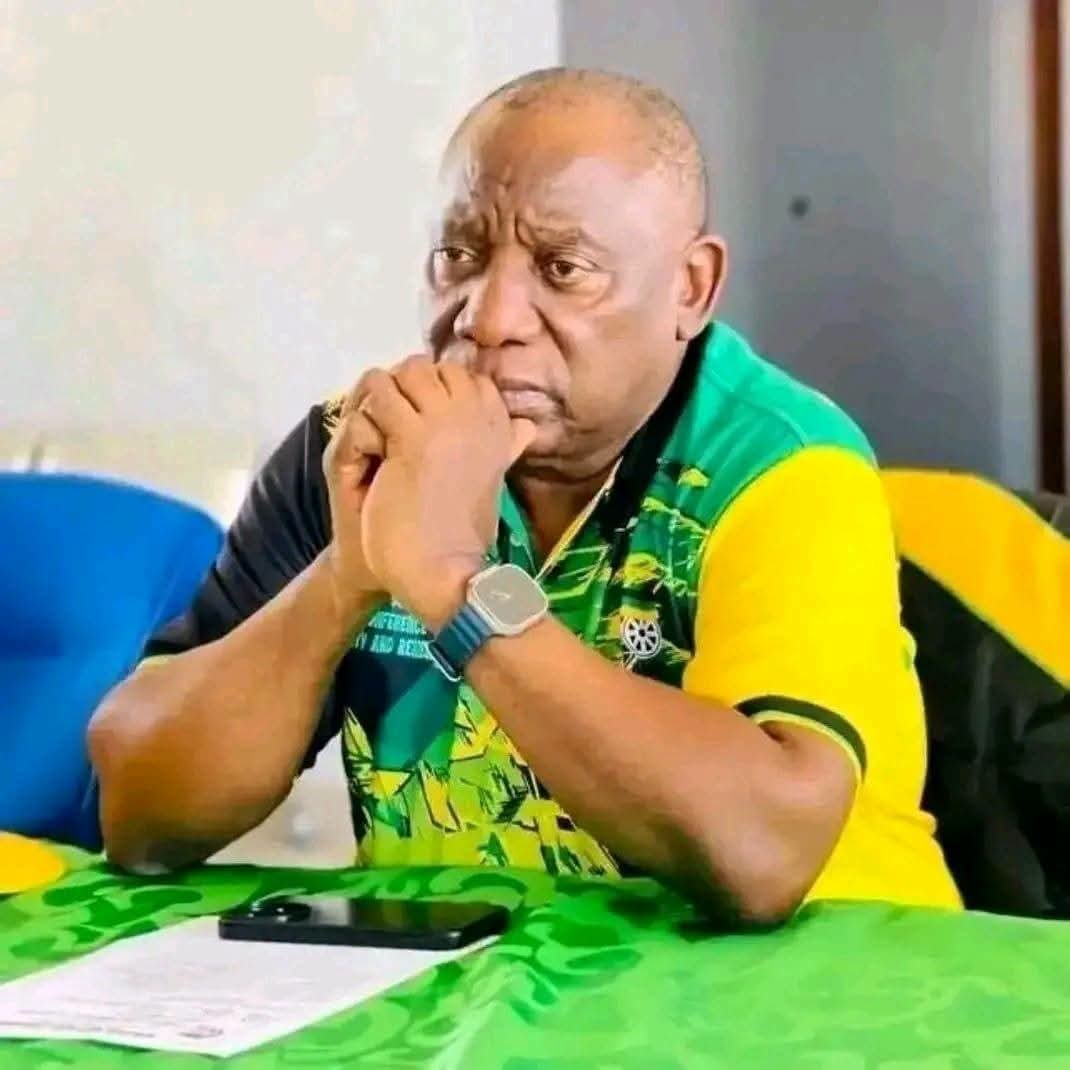
ANC Puts DA Last in Coalition Options After Blaming GNU for Voter Losses
South Africa’s ruling African National Congress (ANC) has resolved to treat the Democratic Alliance (DA) as a last resort when negotiating coalition governments in municipalities without an outright majority.
The position emerged from an extended meeting of the ANC’s National Executive Committee (NEC), held days after the party suffered a significant decline in support during the November 4 local government elections.
The discussions focused on establishing a negotiating mandate for more than 120 hung municipalities across the country.
ANC NEC Blames GNU Partnership for Voter Losses
The ANC’s national support dropped to 30.76% in the November 4 elections, compared with 45.59% in 2021.
Most NEC members reportedly blamed the party’s participation in the Government of National Unity (GNU) with the DA for its declining electoral support.
According to sources, members argued that the partnership had alienated some of the ANC’s traditional voters.
The concerns have influenced the party’s approach to forming municipal coalitions as it prepares to negotiate with other political parties.
DA Placed Last in ANC Municipal Coalition Options
The NEC reportedly expressed strong resistance to repeating the national GNU arrangement at municipal level.
Instead, the ANC is expected to pursue separate negotiations in individual municipalities rather than adopting one coalition formula across the country.
The DA would only be considered when the ANC cannot identify a viable alternative capable of helping establish a stable coalition.
This position places the DA at the bottom of the ANC’s preferred coalition options in municipalities where no party has secured an outright majority.
ANC Considers ActionSA and Other Parties for Coalitions
The ANC is expected to prioritise parties such as ActionSA and other potential partners during municipal coalition negotiations.
The approach will involve assessing political options municipality by municipality, with the aim of securing stable administrations and supporting service delivery.
The party’s negotiating position suggests that its municipal coalition strategy could differ significantly from the arrangement currently governing at national level.
ANC Coalition Position Could Increase Pressure on GNU
The ANC’s decision could create further strain within the Government of National Unity as coalition negotiations continue across South Africa.
The ANC and DA are partners in the national GNU but remain political rivals, particularly when competing for influence in municipalities.
With more than 120 councils requiring coalition arrangements, political parties face tight deadlines to establish new municipal councils.
The ANC’s decision to place the DA last among its coalition options could make negotiations more complicated in municipalities where alternative partnerships are difficult to secure.
Key Facts About the ANC’s Coalition Position
- Political party: African National Congress (ANC)
- Main decision-making body: National Executive Committee (NEC)
- Party placed last in coalition options: Democratic Alliance (DA)
- Election date: November 4, 2026
- ANC support in 2026: 30.76%
- ANC support in 2021: 45.59%
- Number of councils requiring negotiations: More than 120
- Current national partnership: Government of National Unity (GNU)
- Other potential coalition partners: ActionSA and other parties
- Main concern: The ANC’s declining electoral support and the future of municipal coalition arrangements
Frequently Asked Questions
1. Why has the ANC placed the DA last in coalition options?
The ANC’s NEC reportedly believes its partnership with the DA in the Government of National Unity contributed to the party losing support among traditional voters.
2. What is the ANC NEC?
The National Executive Committee is a senior decision-making body of the African National Congress.
3. When were South Africa’s local government elections held?
The elections referenced in the report took place on November 4, 2026.
4. How much support did the ANC receive in the 2026 elections?
The ANC’s national support dropped to 30.76%, compared with 45.59% in 2021.
5. What is the Government of National Unity?
The Government of National Unity is the national governing arrangement involving the ANC and the Democratic Alliance, among other parties.
6. Will the ANC form municipal coalitions with the DA?
The ANC is expected to consider the DA only when no viable alternative exists to establish a stable coalition.
7. Which other parties could the ANC approach?
The ANC is expected to prioritise parties such as ActionSA and other potential partners.
8. How many municipalities require coalition negotiations?
More than 120 councils without an outright majority are expected to require coalition negotiations.
9. Will the ANC repeat the national GNU arrangement in municipalities?
The NEC reportedly showed strong resistance to replicating the national coalition arrangement at municipal level.
10. Could the ANC’s decision affect the GNU?
Yes. The decision could place further strain on the national partnership between the ANC and DA as municipal coalition negotiations continue.
Latest South African Political News and Updates
Stay informed about South African politics, coalition negotiations, local government developments and major political decisions.
Read more related coverage:
- Barasa and Edwin Sifuna Political Dispute
- South Africa Women Murdered
- South Africa Formula 1 Circuit
- Wedela Tavern Massacre
For news tips and enquiries, contact Info@newsaih.com.