
Shenzhen’s Robot Economy Takes Centre Stage at APEC 2026
From humanoid performances to AI-powered services and industrial automation, the Chinese technology hub is showcasing how robotics is moving from laboratory demonstrations towards real-world deployment.
As world leaders gather in Shenzhen for the 33rd APEC Economic Leaders’ Meeting, the city is putting its robotics industry on public display.
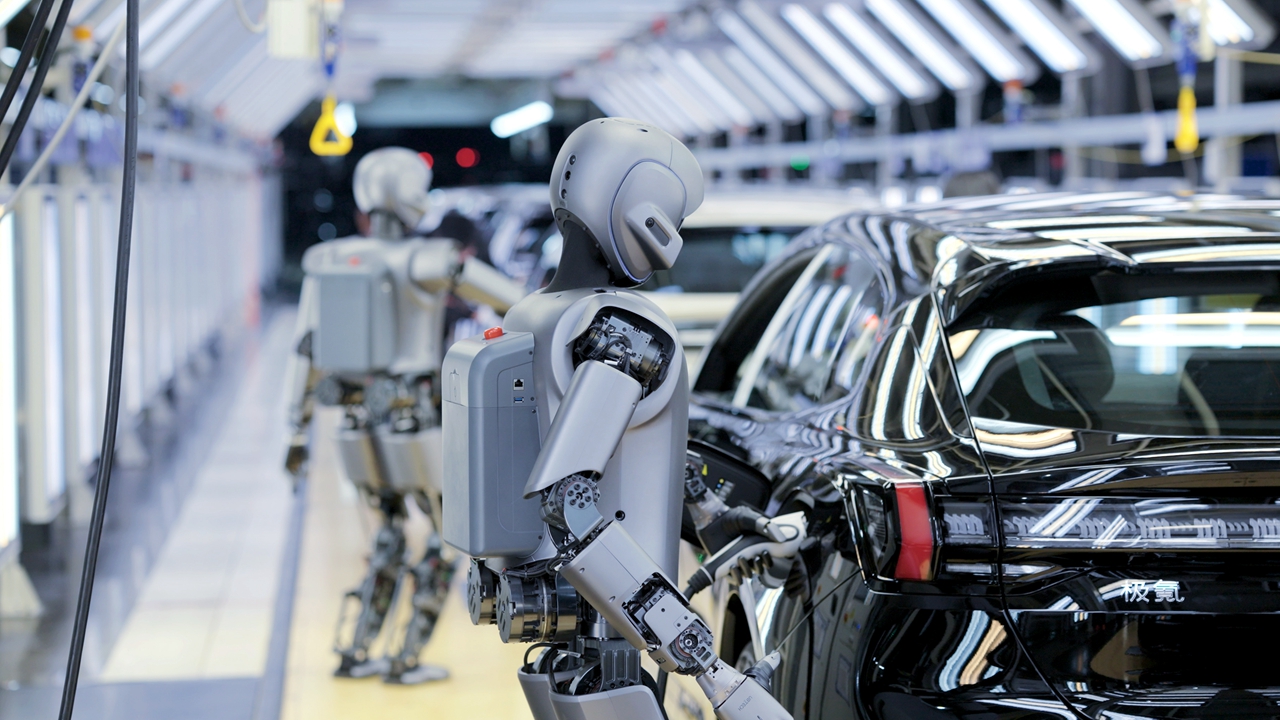
At the Robot Carnival in Longgang District, more than 500 robots representing over 120 models and 100-plus companies are being demonstrated across 22 application scenarios. The programme ranges from intelligent manufacturing and emergency response to everyday services and human–robot collaboration.
The demonstrations include synchronized drumming, martial arts, tai chi, robotic lion dances, soccer and service robots. The exhibition is designed not merely as entertainment, but as a platform for testing technologies, connecting companies and introducing products to international markets. Longgang officials say the district has developed more than 1,000 scenarios for testing and refining robotics applications.
Putin encounters the domestic robot
During his visit to Shenzhen MSU-BIT University on 18 November, Russian President Vladimir Putin watched an AI-powered household robot demonstrate tasks including folding T-shirts. A university representative said the system could perform up to 50 domestic tasks and coordinate with other robots.
The industrial foundations matter more than the spectacle.
According to the APEC China 2026 media kit, Shenzhen’s robotics industry exceeded RMB 242.6 billion in output value in 2025. Humanoid robot production rose 83.1% year-on-year to 343,400 units nationally. Shenzhen also had 34 publicly listed robotics companies and nine robotics unicorns by the end of 2025.
The technology is advancing, but the gap between demonstration and dependable autonomy remains significant. AFP’s reporting from Shenzhen notes that robots can perform certain controlled service and logistics tasks, while complex household work in unpredictable environments remains difficult. Training systems increasingly rely on human activity data to improve machine perception and task execution.