


Home African News At Least 8 Fatalities in Kenya Amid Protests Against Police Violence and...

At Least 8 Fatalities in Kenya Amid Protests Against Police Violence and Governance Issues

340
0
At Least 8 Fatalities in Kenya Amid Protests Against Police Violence and Governance Issues

At Least 8 Fatalities in Kenya: At least eight individuals have lost their lives, and over 80 others are receiving specialized medical care, some with gunshot injuries, during nationwide protests in Kenya against police violence and inadequate governance, as reported by human rights organizations.

The state-supported Kenya National Commission on Human Rights indicated that it monitored demonstrations across the country, which resulted in more than 400 injuries and over 60 arrests during protests on Wednesday spanning 23 out of 47 counties.

These protests were organized to commemorate the one-year anniversary of anti-tax demonstrations that led to 60 fatalities and left an additional 20 individuals unaccounted for.

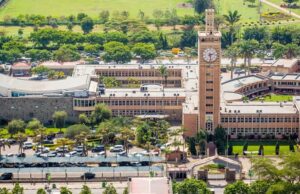
Key locations such as Parliament and the president’s office in Nairobi were secured with razor wire, and police blocked all access routes. Thousands of demonstrators clashed with law enforcement officers who responded with tear gas canisters, gunfire, and batons, resulting in numerous injuries.

The unrest extended to significant urban areas including Mombasa, Kisumu, Nakuru, and Nyahururu, evolving into demands for the president’s resignation due to allegations of poor governance.

Last year’s protests saw demonstrators breach Parliament after legislation aimed at tax increases was approved; protesters set parts of the building ablaze while lawmakers evacuated. Bodies were reported on the streets amid claims from medical personnel and observers that police opened fire. The military was subsequently deployed.

Kenyan youth continue to express dissatisfaction with the current administration due to issues like corruption, escalating living costs, police brutality, and a recent blogger’s death while in custody. The close-range shooting of a civilian during recent protests has intensified public outrage.

On Wednesday, President William Ruto appealed to demonstrators not to “destroy” their country. “We do not have another country to turn to when things go awry. We must ensure our nation’s safety,” he stated while attending a funeral service in coastal Kenya as protesters approached his office in Nairobi.

Young Kenyans utilized social media platforms to organize commemorative protests for those who perished last year. Government spokesperson Isaac Mwaura asserted on Monday that no demonstrations would take place and described Wednesday as a “normal working day.”

Nevertheless, businesses in Nairobi remained shuttered on Wednesday as police restricted vehicle access to the central business district. Hundreds took to the streets early morning chanting anti-government slogans while police deployed tear gas against some groups.

An Associated Press journalist observed a protester injured by gunfire directed at the crowd by law enforcement. Another individual suffered head injuries from anti-riot police intervention before being transported by medics via ambulance.

Wangechi Kahuria, executive director of the Independent Medico-Legal Unit (an NGO monitoring protest-related fatalities), emphasized that Kenyans should be permitted time for mourning before returning home.

Police Inspector General Douglas Kanja announced on Tuesday that unauthorized individuals would be barred from entering secure areas such as Parliament and State House.

Protester Rose Murugi articulated concerns regarding police complicity: “We will assert it boldly—we demand an end to police brutality and President Ruto’s resignation.”

Derrick Mwangi, a 25-year-old protester remarked: “We are exhausted as youth.” He added: “People are being abducted; people are being killed. The use of force by police is unacceptable at this rate.”

Local media outlets published names and photographs of several deceased from last year’s protests. The Standard newspaper featured a headline stating “A luta Continua,” translating to “The struggle continues” from Portuguese—a slogan used during Mozambique’s fight for independence from colonial rule.

During these events, the Communication Authority prohibited live coverage of demonstrations and disabled certain free-to-air television signals—prompting outrage among human rights advocates.

Political analyst Herman Manyora labeled protesters as “heroes” deserving remembrance for their sacrifices. He urged authorities to collaborate with demonstrators for meaningful commemoration but cautioned that discontent remains due to government inflexibility which has only strengthened youth resolve for continued activism.

In response to previous unrest last year, President Ruto dissolved his Cabinet implicated in corruption but retained most ministers in his new administration despite public skepticism surrounding competence issues.

Although a finance bill proposing elevated taxes passed through Parliament was later retracted, additional tax measures emerged later through legislative amendments within the same year.

Additionally, President Ruto appointed members from opposition parties into his Cabinet last year; he also formalized a political agreement with his electoral opponent Raila Odinga this past March.

LEAVE A REPLY

Please enter your comment!
Please enter your name here