
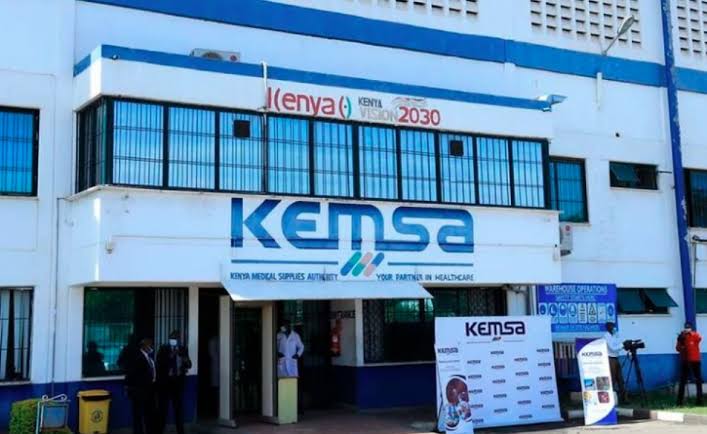
Kenya Medical Supplies Authority (KEMSA) has suffered a major legal setback after a High Court ruling overturned a vital HIV drug procurement contract, leaving the supply of life-saving antiretroviral (ARV) medications in jeopardy and exposing the agency to potential losses exceeding Sh1 billion.
High Court Rules Against KEMSA in Tender Dispute
Kenya’s High Court ruled that KEMSA’s award of a contract for HIV treatment drugs was unlawful, nullifying the procurement and strengthening a legal deadlock that has left millions of HIV patients anxiously awaiting critical medication.
The dispute centered on a procurement awarded to Indian manufacturer Hetero Labs Limited under a multi-billion shilling tender for fixed-dose antiretroviral combinations used in the national HIV programme.
A rival bidder, Pharmachoice Pharmaceuticals, challenged the tender on procedural grounds, claiming breaches of procurement law and improper exclusion from the contract award.
Court Finds Irregularities in Public Procurement Process
According to legal filings, the High Court agreed with Pharmachoice’s arguments that KEMSA failed to follow the Public Procurement and Asset Disposal Act, citing irregularities in how bids were evaluated and notices communicated.
As a result, the court ordered that the contract be set aside a ruling that could cost KEMSA more than Sh1 billion in legal costs, damages, and delayed drug deliveries.
The decision also overturned the earlier endorsement of the contract by the Public Procurement Administrative Review Board (PPARB), intensifying the legal battle over the supply of these essential HIV medicines.
Impact on HIV Treatment and Public Health in Kenya
Kenya relies heavily on consistent and predictable deliveries of antiretroviral drugs to keep its HIV response on track.
Interruptions or delays in procurement pose a risk of stockouts, potentially affecting the more than 1.3 million people living with HIV in the country who depend on ARVs to suppress viral load and prevent opportunistic infections.
Health experts and civil society groups have warned that procurement disputes and legal wrangles undermine confidence in KEMSA’s ability to manage critical health supplies effectively, at a time when the nation is striving to meet global HIV treatment targets.
What Happens Next?
With the High Court’s ruling now in effect, KEMSA must decide whether to restart the procurement process, appeal the judgment, or negotiate an out-of-court settlement with the aggrieved bidder.
Any of these options will take time and time is a resource in short supply for patients waiting in clinic queues for their monthly medications.
The legal defeat is likely to prompt calls for reform of public procurement systems for health commodities in Kenya, especially for essential medicines like ARVs that are central to public health outcomes.