Italy’s Meloni Approves Tougher Protest Laws After Milan Riots
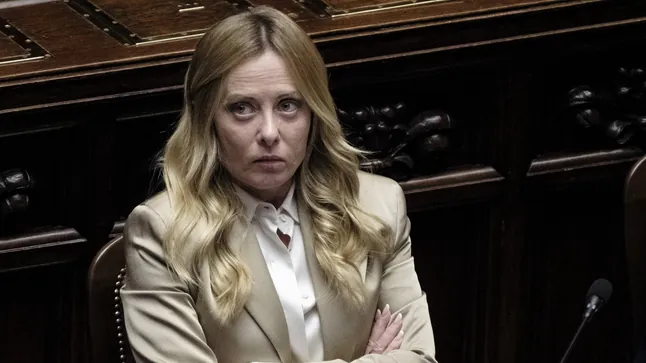
Italian Prime Minister Giorgia Meloni’s government has approved an emergency decree introducing tougher penalties for violent demonstrations following riots in Milan that left police officers injured and businesses damaged.
The decree, approved by Italy’s cabinet on October 20, introduces a new criminal offence for violent participation in demonstrations, increases potential penalties for organising violent protest groups and establishes financial consequences for parents whose children cause damage during unrest.
The measures follow clashes involving young demonstrators in Milan, where protesters reportedly set fires, looted shops and confronted police. The government says the new rules are intended to strengthen public order, while the provisions concerning minors have renewed political debate over how authorities should respond to youth violence.
Italy Approves Emergency Decree After Milan Riots
Italy’s cabinet approved the eight-article emergency decree in response to the weekend violence in Milan, according to ANSA.
The legislation creates a new offence covering participation in demonstrations involving acts such as throwing objects or using sticks and clubs in ways that endanger people. The offence carries prison sentences of two to five years and fines of up to €20,000, with higher penalties in certain circumstances involving concealed faces or damage to public infrastructure and utilities.
People who organise or promote groups for violent demonstrations, including through online tools, could face prison sentences ranging from four to 12 years.
The government has also announced the deployment of 500 additional soldiers to Milan through December 31. The deployment is expected to cost €4.7 million and forms part of the wider security response.
Parliament must convert the emergency decree into law within 60 days.
The decision represents a significant step in the government’s response to the unrest, placing greater emphasis on penalties for violence, the prevention of disorder and security deployments.
For more coverage of political unrest and demonstrations, readers can explore Newsaih’s report on student protests in France.
Parents Face Fines for Damage Caused by Minors
One of the decree’s key provisions introduces financial penalties for parents whose children cause damage during violent demonstrations.
Parents could face fines ranging from €500 to €1,000, with the amount doubling for repeat offences. According to the report, the provision can apply even when a minor is too young to be prosecuted.
Meloni defended the measure by arguing that parents should be held financially responsible when their children cause damage.
The decree also addresses the treatment of minors involved in violent incidents. It carries forward a provision under which those aged over 14 are presumed capable of understanding their actions and can be charged immediately.
Police chiefs would also be able to prohibit groups of five or more minors from gathering in circumstances where their behaviour is considered intimidating.
Other provisions include automatic prosecution for minor injuries to police officers and the possibility of deferred arrest in property-damage cases.
The measures build on a bill approved by the cabinet in July. At that time, Meloni argued that young people who assault others, steal or damage property should face consequences, regardless of whether they are 15 or 16.
Opposition representatives criticised the earlier proposal, describing it as political propaganda and expressing concerns about an authoritarian approach.
What Happened During the Milan Riots?
The unrest followed a Saturday demonstration over living costs and public services. According to Reuters, hooded protesters, many believed to be minors, set fires and looted shops, including Decathlon and Vodafone. Luxury stores along Via Montenapoleone also removed or protected their window displays.
Police took 271 young people to Milan police headquarters, and 32 were arrested, including 23 minors.
Similar clashes were reported in Bologna, Brescia, Bergamo and Turin, extending concerns about public disorder beyond Milan.
Euronews reported that 14 officers were injured and cited a damage estimate from the Confcommercio business group of more than €1 million in Milan alone and at least €1.3 million nationwide.
The incidents prompted the government to consider a broader response involving additional security personnel and tougher penalties for people accused of participating in or organising violent demonstrations.
Readers can also follow Newsaih’s coverage of student protests in France for related reporting on demonstrations and public unrest elsewhere in Europe.
Italian Government Debates the Causes of Youth Violence
Government officials have offered differing explanations for the violence and the organisation behind the demonstrations.
Interior Minister Matteo Piantedosi said preliminary findings did not indicate structured links to organised antagonist groups. He described the mobilisation of young people as spontaneous, while indicating that authorities were still investigating what had happened.
Defense Minister Guido Crosetto attributed the unrest to what he called “hybrid warfare.” Deputy Prime Minister Matteo Salvini rejected the suggestion that a coordinating force, including Russia, was behind the events.
According to Ynet, assessments suggested that many participants were motivated by a desire to cause damage, although police also identified radical-left activists associated with social centres who left after force was used.
Authorities have not identified an organiser responsible for the violence, according to the supplied report.
The competing explanations have added to the political debate over whether the riots were primarily spontaneous acts of disorder or involved more organised elements.
Political Negotiations Shape Italy’s Security Response
The emergency decree followed political discussions within the governing coalition.
After a 90-minute summit at Palazzo Chigi on October 19, Il Sole 24 Ore reported that more than 200 young people had been detained and that 80% were under 18.
Salvini publicly welcomed the planned deployment of 500 additional soldiers, describing it as a victory for his League party. Forza Italia also claimed credit for the measure.
A proposal from Crosetto to give soldiers judicial police powers was not included in the final text, according to ANSA.
The report also said tensions involving the presidential palace delayed the cabinet meeting by almost an hour. The government denied that the delay amounted to a blockage.
The negotiations demonstrate how the Milan riots have become a significant political issue, with coalition partners discussing the balance between public security, police powers and legal safeguards.
For further coverage of international political decisions, readers can visit Newsaih’s report on the Cardiff summit and its participating leaders.
Prison Population and Concerns Over Tougher Laws
The decree comes amid a reported increase in Italy’s prison population. According to government data cited in the supplied report, the number of prisoners has risen by more than 17% over four years under Meloni’s administration.
The new provisions introduce additional offences and penalties as the government seeks to respond to violent demonstrations. Parliament’s review of the decree will determine whether the emergency measures are converted into law within the required 60-day period.
The legislation has also prompted debate over the appropriate response to minors involved in public disorder and the financial responsibility of parents.
The next stage will involve parliamentary consideration of the decree and continued investigation into the Milan riots and related incidents in other Italian cities.
Key Facts About Italy’s Tougher Protest Measures
- Prime minister: Giorgia Meloni.
- Decree approval: October 20, 2026.
- Trigger: Violent protests and clashes in Milan.
- New offence: Violent participation in demonstrations, punishable by two to five years in prison and fines of up to €20,000.
- Organising violent groups: Potential prison sentences of four to 12 years.
- Parental fines: €500 to €1,000 for damage caused by minors, with higher fines for repeat offences.
- Security deployment: An additional 500 soldiers in Milan through December 31.
- Reported arrests: 32 people arrested in Milan, including 23 minors.
- Parliamentary deadline: The decree must be converted into law within 60 days.
Frequently Asked Questions
1. Why has Italy introduced tougher protest laws?
The government approved an emergency decree after riots in Milan involving clashes with police, fires and looting. The measures aim to strengthen public order and impose tougher consequences for violent demonstrations.
2. Who approved the new measures?
The Italian cabinet, led by Prime Minister Giorgia Meloni, approved the emergency decree on October 20, 2026.
3. What prison sentences could violent protesters face?
The new offence carries prison sentences of two to five years, alongside fines of up to €20,000. Certain aggravating circumstances may result in higher penalties.
4. What penalties could organisers of violent demonstrations face?
People who organise or promote groups for violent demonstrations, including through online tools, could face prison sentences ranging from four to 12 years.
5. Can parents be fined for their children’s actions?
Under the decree, parents could face fines of €500 to €1,000 for damage caused by minors, with the fine doubling for repeat offences.
6. How many people were arrested after the Milan riots?
According to the supplied report, 32 people were arrested, including 23 minors. Police had taken 271 young people to Milan police headquarters.
7. How many additional soldiers will be deployed to Milan?
The government plans to deploy 500 additional soldiers through December 31 at a reported cost of €4.7 million.
8. Were other Italian cities affected by clashes?
Yes. Similar clashes were reported in Bologna, Brescia, Bergamo and Turin.
9. Has the government identified who organised the riots?
Interior Minister Matteo Piantedosi said preliminary findings did not indicate structured links to organised antagonist groups. The supplied report states that no organiser had been identified.
10. Has the emergency decree become permanent law?
The decree must be converted into law by parliament within 60 days. The supplied report does not confirm whether that process has been completed.
Latest Politics and International News
Stay informed about government decisions, public protests and international developments through Newsaih World News.
For news tips, enquiries or further information, contact Info@newsaih.com.