
Brazil’s Supreme Court Suspends Belo Sun Mine Permit Over Indigenous Rights Concerns
Brazil’s Supreme Court has reinstated the suspension of a mining permit for Canadian company Belo Sun’s proposed gold mine near the Xingu River in the Amazon, marking a significant setback for the project after more than a decade of opposition from Indigenous communities and environmental advocates.
On October 19, Chief Justice Edson Fachin ruled that Belo Sun had not demonstrated full compliance with the environmental and Indigenous rights requirements needed to proceed with its proposed Volta Grande gold mine in Pará, Brazil.
The decision has renewed attention on the relationship between large-scale mining, environmental protection and Indigenous territorial rights in the Amazon. Communities opposing the project argue that the mine could worsen the impacts of the nearby Belo Monte mega-dam and threaten local livelihoods.
Brazil’s Supreme Court Reinstates Belo Sun Mining Permit Suspension
The Supreme Court ruling reversed a permitting gain Belo Sun had obtained through a February court decision. The company had previously told investors in April that its installation permit would remain valid until 2029 and reaffirmed its confidence in the project’s legality in September.
The latest decision places unresolved environmental assessments and Indigenous consultation requirements back at the centre of the mine’s future.
Chief Justice Fachin identified continuing gaps in studies assessing the project’s potential impacts on Indigenous Peoples. Questions also remained over whether affected communities had received free, prior and informed consultation before the project could advance.
The ruling represents a setback for Belo Sun, a Canadian mining company listed on the Toronto Stock Exchange. Following the announcement, its shares reportedly fell by more than 20% at the market open before trading was halted.
The company’s value depends heavily on the proposed project, making the legal decision significant for investors as well as communities concerned about the mine’s environmental and social consequences.
Why Indigenous Communities Oppose the Volta Grande Gold Mine
The proposed Volta Grande gold mine would introduce open-pit mining to a section of the Xingu River region in Pará that has already been substantially altered by the Belo Monte mega-dam.
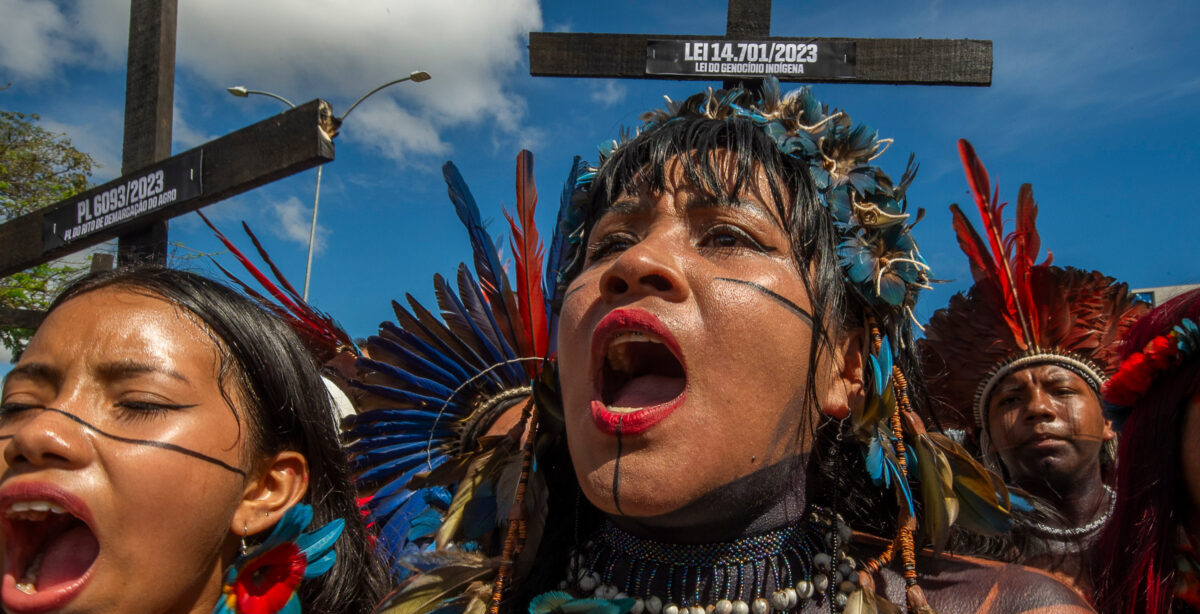
Indigenous Peoples and traditional communities have warned that the mine could compound the dam’s existing impacts on the region. Their concerns include threats to their territories, livelihoods and traditional ways of life.
The Alliance for the Volta Grande do Xingu, a coalition opposing the mining project, welcomed the Supreme Court’s decision as a victory for Indigenous resistance. The coalition also warned that allowing major developments to proceed without adequate protection of Indigenous rights could weaken safeguards across the Amazon.
The dispute reflects wider concerns about environmental protection and Indigenous communities’ ability to participate in decisions affecting their land.
For more coverage of environmental and political developments affecting the region, readers can explore Newsaih’s international news coverage.
Indigenous Consultation and Environmental Studies Remain Key Issues
A central issue in the case is whether the required consultation and environmental assessment processes adequately considered all affected Indigenous communities.
Fachin identified unresolved questions involving free, prior and informed consultation, a principle recognised under International Labour Organization Convention 169 and the United Nations Declaration on the Rights of Indigenous Peoples.
Brazil’s Indigenous affairs agency, FUNAI, identified inadequate coverage of Indigenous communities in the project’s studies. It also raised concerns about whether the assessments sufficiently examined the combined effects of the proposed mine and the Belo Monte dam.
These issues remain important to determining whether the project can proceed while meeting applicable environmental and Indigenous rights requirements.
Eliete Juruna, a leader of the Middle Xingu Indigenous Women’s Movement, said communities had not been properly consulted. She stressed that Indigenous people continued to resist the project and wanted their territory protected from mining.
In February, more than 140 demonstrators occupied a regional FUNAI office to demand the revocation of Belo Sun’s permit, demonstrating the continued mobilisation against the project.
Legal Victory Follows International Campaign Against Belo Sun
Opposition to the mine has also reached international audiences. In September, Indigenous leader Juma Xipaia raised concerns about the project during Climate Week in New York City. Actor and environmental activist Leonardo DiCaprio amplified her message by sharing a video of the action.
The Supreme Court decision gives communities additional time to organise, but it does not necessarily end the legal dispute.
The suspension remains provisional, and its duration depends on whether a federal court approves an agreement currently under consideration.
Diogo Cabral, an attorney with the Xingu Vivo Movement, said a settlement that would allow the project to resume remained unlikely because of objections from federal prosecutors and unresolved concerns identified by FUNAI.
Cabral also argued that maintaining the permit would violate ILO Convention 169.
Indigenous Peoples and allied organisations have called on authorities not to restore the permit while concerns about territorial protections and consultation rights remain unresolved.
The outcome of the legal process will help determine whether Belo Sun can advance its plans and what safeguards will be required to protect affected communities.
Readers can also follow related developments involving environmental policy and Indigenous rights through Newsaih’s report on Azerbaijan’s hijab restrictions, as governments and communities continue to debate rights and public policy in different parts of the world.
Indigenous Rights and the Future of the Belo Sun Project
The Alliance for the Volta Grande do Xingu has warned that political changes in Brazil could increase pressure to weaken environmental protections and expand mining activities on Indigenous lands.
Ana Alfinito, Amazon Watch Brazil Legal Advisor, said protections should cover all affected Indigenous communities, including those living outside formally demarcated territories. She urged federal and state authorities to uphold these safeguards rather than allow political pressure to advance the project.
For communities along the Xingu River, the central question remains whether the proposed mine can proceed without compromising their rights and the region’s environmental protection.
The Supreme Court’s decision has temporarily halted Belo Sun’s permitting progress, but continued legal scrutiny and decisions by federal authorities will shape the project’s next steps.
The case also highlights the broader challenge of balancing mining development with environmental responsibilities and the rights of Indigenous Peoples in the Amazon.
For further context on international disputes and government decisions, readers can visit Newsaih’s coverage of the Trump–Xi state visit.
Key Facts About Brazil’s Belo Sun Mine Permit Ruling
- Ruling date: October 19, 2026.
- Court: Brazil’s Supreme Court.
- Chief Justice: Edson Fachin.
- Company: Belo Sun Mining Corp., a Canadian mining company.
- Project: The proposed Volta Grande open-pit gold mine in Pará, Brazil.
- Main concerns: Environmental assessment gaps and unresolved Indigenous consultation requirements.
- Regional context: The project is planned near the Xingu River, an area already affected by the Belo Monte mega-dam.
- Legal status: The installation permit suspension is provisional, with its duration linked to a potential agreement under consideration.
- Market reaction: Belo Sun shares reportedly fell by more than 20% at the market open before trading was halted.
Frequently Asked Questions
1. Why did Brazil’s Supreme Court suspend Belo Sun’s mining permit?
The court reinstated the suspension after identifying unresolved environmental assessment issues and questions about compliance with Indigenous rights and consultation requirements.
2. Where is the proposed Belo Sun gold mine located?
The proposed Volta Grande gold mine is in Pará, Brazil, near the Xingu River in the Amazon region.
3. Which company is behind the mining project?
The project is being developed by Belo Sun Mining Corp., a Canadian mining company listed on the Toronto Stock Exchange.
4. Why are Indigenous communities opposing the mine?
Indigenous Peoples and traditional communities fear the mine could worsen the environmental and social impacts already associated with the Belo Monte mega-dam and threaten their territories and livelihoods.
5. What role did FUNAI play in the case?
Brazil’s Indigenous affairs agency identified gaps in the project’s studies, including inadequate coverage of Indigenous communities and insufficient assessment of the combined impacts of the mine and the Belo Monte dam.
6. What is free, prior and informed consultation?
It is a principle concerning consultation with Indigenous Peoples about decisions that may affect them. The case raises questions about whether the required consultation was adequately carried out.
7. What happened to Belo Sun’s shares after the ruling?
According to the supplied report, the shares fell by more than 20% at the market open before trading was halted.
8. Is the suspension permanent?
No. The suspension is provisional, and its duration depends on whether a federal court approves an agreement under consideration.
9. Have Indigenous communities organised protests against the project?
Yes. In February, more than 140 demonstrators occupied a regional FUNAI office to demand the revocation of Belo Sun’s permit. Indigenous leaders have also raised concerns at international events.
10. What happens next for the Belo Sun project?
The project’s future depends on further legal proceedings, the status of the provisional suspension and whether the outstanding environmental and Indigenous rights requirements are resolved.
Latest Environment, Business and International News
Stay informed about major environmental disputes, business developments and international affairs with Newsaih World News.
For news tips, enquiries or further information, contact Info@newsaih.com.