By Dan Mughogho
November 5, 2026
Paraguay is facing a major financial and political crisis after the country’s Central Bank seized Ueno Bank, its largest digital lender, following a collapse in the bank’s solvency ratio.
The intervention has affected nearly 3 million customers after the bank’s digital app, credit cards and transfer services were frozen. The disruption has left millions of people unable to access their money through the bank.
The crisis has also triggered public anger, political pressure and the resignation of Central Bank President Carlos Carvallo.
Paraguay Central Bank Seizes Ueno Bank
Paraguay’s Central Bank (BCP) took control of Ueno Bank after its solvency ratio fell to less than half the legal requirement.
The intervention marks a major development in the country’s financial sector, as Ueno Bank is Paraguay’s largest digital lender.
The bank’s collapse has created uncertainty for millions of customers who relied on its digital services for everyday financial transactions.
Following the intervention, the bank’s digital app, credit cards and transfer capabilities were completely frozen.
Nearly 3 Million Customers Lose Access to Banking Services
The suspension of Ueno Bank’s services has affected approximately 3 million users, representing an estimated 60% of Paraguay’s adult population.
Customers have been locked out of their accounts, with no immediate way to access their money through the bank’s digital platform.
The disruption has caused widespread frustration among savers and ordinary citizens who depend on digital banking services.
The situation has also raised concerns about the impact on people who rely on the bank for payments and transfers.
Central Bank President Carlos Carvallo Resigns
The banking crisis has also triggered political consequences.
Central Bank President Carlos Carvallo resigned at the request of President Santiago Peña.
Carvallo previously chaired the finance company that later evolved into Ueno Bank. His past connection to the institution has attracted criticism over possible regulatory blind spots and conflicts of interest.
The circumstances have intensified scrutiny of the bank’s regulatory oversight and the role of financial authorities before the intervention.
Eight Executives and Figures Ordered Detained
The Specialized Unit for Economic Crimes and Anti-Corruption ordered the detention of eight high-level executives and figures connected to Ueno Bank.
Those named include founder and majority shareholder Miguel Vázquez and Ueno Bank President Juan Manuel Gustale.
The detention orders represent another major development in the unfolding crisis.
The situation has raised questions about accountability and the circumstances surrounding the bank’s financial collapse.
Public Retirement Funds Exposed to Ueno Bank Crisis
The financial impact extends beyond individual account holders.
Paraguay’s state health and pension fund, known as IPS, has an estimated $380 million in public retirement funds invested in Ueno Bank.
This exposure has added another layer of concern to the crisis, particularly for pensioners and citizens worried about the security of public retirement funds.
The situation has placed additional attention on the potential consequences of the bank’s collapse for public finances.
Angry Citizens Take to the Streets in Paraguay
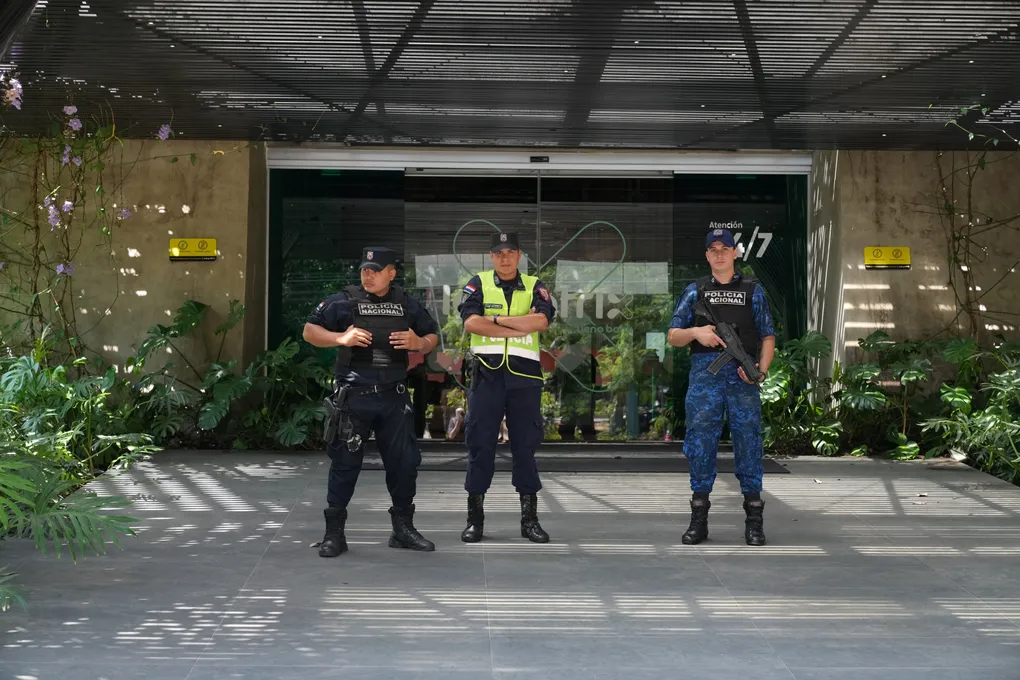
The suspension of banking services has sparked public demonstrations in the capital.
Angry citizens, savers and pensioners gathered outside closed bank branches, demanding access to their cash and calling for political accountability.
Demonstrators filled the streets as frustration grew over the inability to withdraw or transfer money.
The protests reflect the scale of public concern surrounding the crisis, which has affected millions of customers and raised questions about financial oversight.
Paraguay Faces a Major Political and Financial Crisis
The collapse of Ueno Bank has developed into a wider political and financial crisis for Paraguay.
The Central Bank’s intervention, Carvallo’s resignation, detention orders involving senior figures and the freezing of banking services have placed the country’s financial system under intense scrutiny.
With nearly 3 million customers affected and an estimated $380 million in public retirement funds invested in the bank, the consequences extend well beyond the institution itself.
Public anger has continued to focus on access to savings and demands for accountability.
Key Facts About the Ueno Bank Collapse
- Country: Paraguay.
- Bank: Ueno Bank, the country’s largest digital lender.
- Regulator: Paraguay’s Central Bank (BCP).
- Reason for intervention: Solvency ratio fell to less than half the legal limit.
- Customers affected: Approximately 3 million.
- Estimated population impact: Around 60% of Paraguay’s adult population.
- Services frozen: Digital app, credit cards and transfers.
- Central Bank president: Carlos Carvallo resigned at President Santiago Peña’s request.
- Detention orders: Eight executives and figures connected to the bank.
- Public retirement fund exposure: Estimated $380 million invested by IPS.
Frequently Asked Questions
1. What happened to Ueno Bank in Paraguay?
Paraguay’s Central Bank seized Ueno Bank after its solvency ratio fell to less than half the legal limit.
2. How many customers are affected by the Ueno Bank collapse?
Approximately 3 million customers have been affected by the bank’s intervention.
3. Why did Paraguay’s Central Bank seize Ueno Bank?
The Central Bank intervened after the bank’s solvency ratio collapsed to less than half the legally required level.
4. Can Ueno Bank customers access their money?
The bank’s digital app, credit cards and transfer capabilities were frozen, leaving customers without immediate access to their money through those services.
5. Who is Carlos Carvallo?
Carlos Carvallo was the president of Paraguay’s Central Bank. He resigned at the request of President Santiago Peña following the banking crisis.
6. Who are the Ueno Bank figures named in the detention orders?
The detention orders involving eight high-level executives and figures include bank founder and majority shareholder Miguel Vázquez and Ueno Bank President Juan Manuel Gustale.
7. How many people were ordered detained in connection with the bank?
The Specialized Unit for Economic Crimes and Anti-Corruption ordered the detention of eight executives and figures tied to the bank.
8. How much public money is invested in Ueno Bank?
Paraguay’s state health and pension fund, IPS, has an estimated $380 million in public retirement funds invested in Ueno Bank.
9. Why are people protesting in Paraguay?
Citizens, savers and pensioners have protested outside closed branches, demanding access to their money and political accountability.
10. What percentage of Paraguay’s adult population is affected?
The approximately 3 million affected customers represent an estimated 60% of Paraguay’s adult population.
Latest Business and International News
The Ueno Bank crisis has placed Paraguay’s financial sector under significant pressure, with millions of customers affected and questions surrounding regulatory oversight and public funds.
For more international business, financial and political developments, read these related reports:
- Real Estate in Dubai: Latest Market Developments
- India and Switzerland Strengthen Bilateral Ties
- G7 Diesel Reserves and International Energy Developments
Follow News As It Happens for the latest business news, financial developments and international updates.
Contact: Info@newsaih.com