WFP resumes food drops in Nasir and Ulang after over 4 months of blocked access.
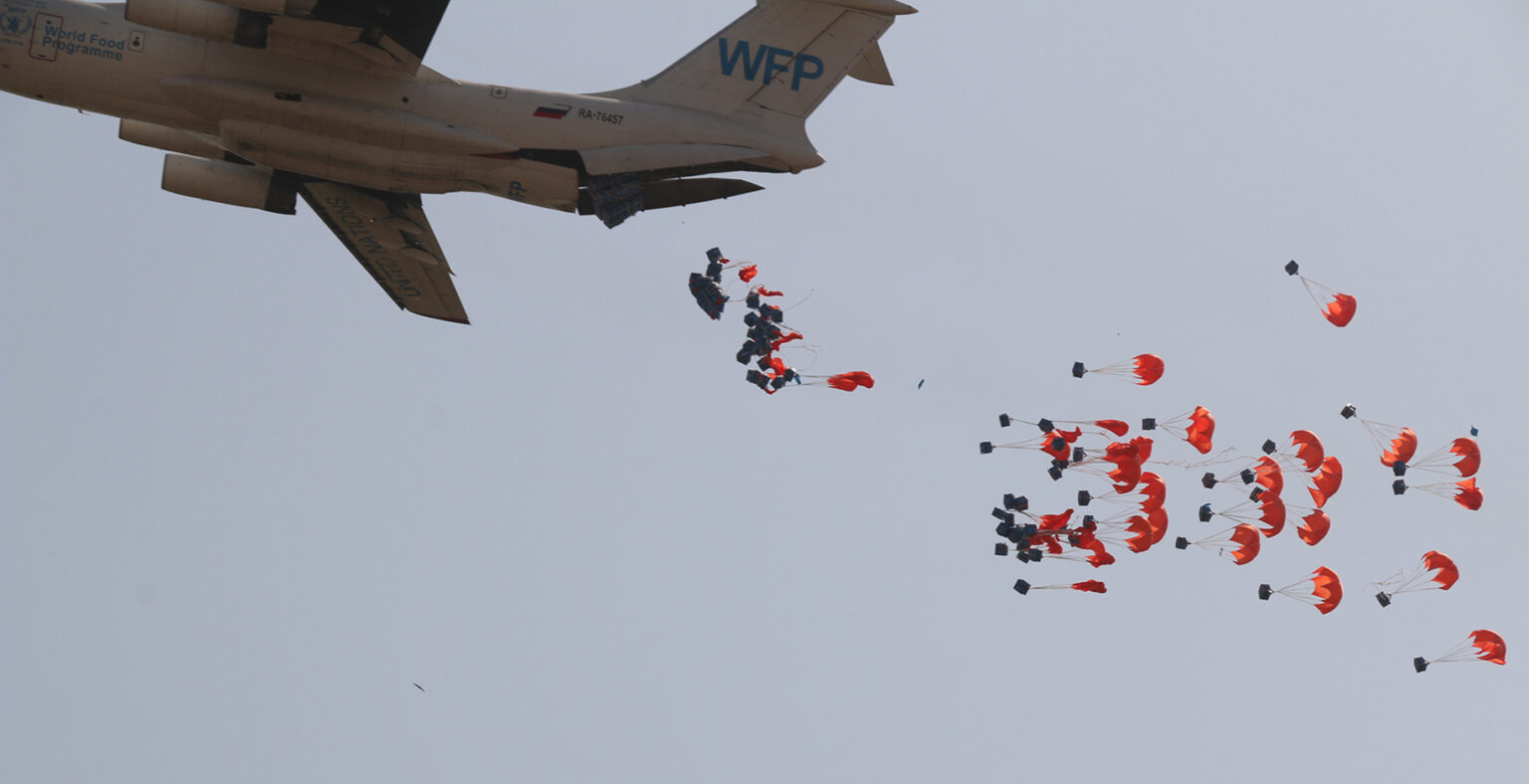
The World Food Programme (WFP) has resumed its food aid operations in some of South Sudan’s most remote regions, delivering critical supplies by air after conflict made normal routes impossible. It’s the first time in over four months that people in Nasir and Ulang counties have received any aid.
The agency said these deliveries were “life-saving,” especially as hunger levels continue to rise sharply in the Upper Nile, a region now deep in crisis.
Since March, renewed violence between President Salva Kiir and Vice President Riek Machar has displaced thousands and made many roads and river routes too dangerous for aid teams.
With these areas completely cut off, airdrops became the only way to reach the starving population. According to WFP, over 40,000 people were supported in the latest round of deliveries.
The Upper Nile region, bordering Sudan, has experienced some of the worst recent violence. More than 1 million residents there now face acute hunger, and at least 32,000 are at catastrophic levels, meaning they’re just a step away from famine.
WFP says that figure has tripled since fighting reignited, further weakening a population already battered by years of war and displacement.
Across South Sudan, the story is grim: 57% of the population, roughly 7.7 million people, are now experiencing crisis-level or worse food insecurity.
With funding shortages, WFP has been forced to cut back aid and serve only the most vulnerable 2.5 million people. The agency has now launched an urgent appeal for $274 million to continue its operations until the end of the year.
In its latest plea, WFP warned: “As the situation deteriorates, time is running out.”
Without immediate help from the international community, the agency says more people will slip into starvation, and the progress made over the years could quickly unravel.
Bottom line: As South Sudan edges closer to famine, WFP’s return by air may be the last hope for many. But without new funding and peace, even the skies won’t be enough.