Ayatollah Khamenei secretly names three clerics as possible successors
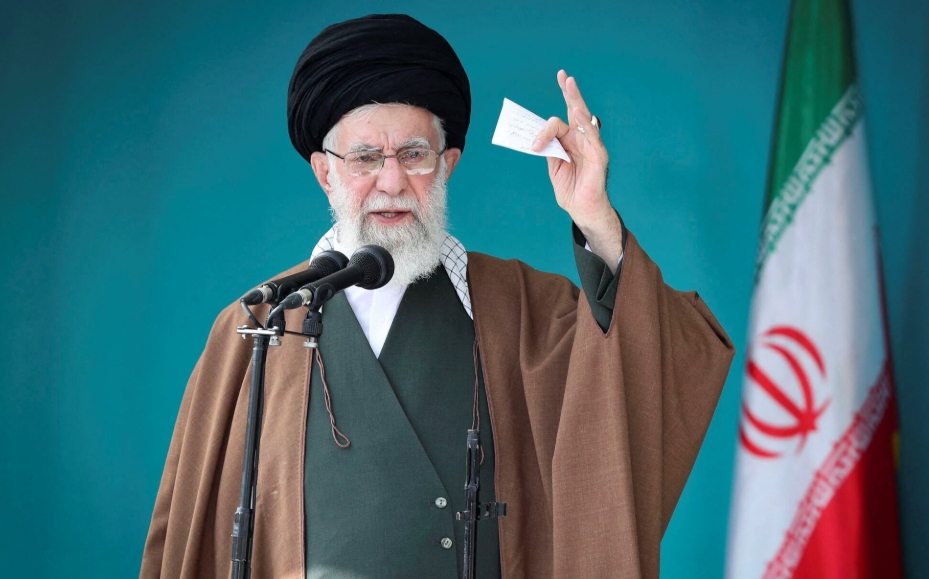
Supreme Leader Ayatollah Ali Khamenei is making rare but critical moves behind the scenes. Fearing further instability, he has discreetly picked three top clerics as his potential successors and instructed Iran’s Assembly of Experts to choose from these names when the time comes.
While their identities remain undisclosed, the move is meant to avoid confusion and ensure a quick and controlled transition. Notably, Khamenei’s son Mojtaba, once widely tipped as his successor due to ties with the Revolutionary Guards, has been left out.
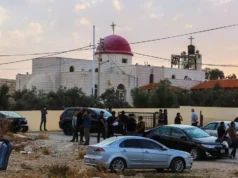
Apart from succession in religious leadership, new military heads have been assigned quietly as replacements for top brass, just in case more are lost. The reshuffle follows the killing of Saeed Izadi, commander of the Palestine Corps, by Israeli airstrikes in Qom.
This indicates a leadership trying to brace for impact as regional attacks increase.
Israeli officials, through The New York Times, revealed their broader strategy—undermining Khamenei’s regime to the edge of collapse. Reports say plans are in place to attack not just military targets but also Tehran’s state-run TV station, the police command, and other key government buildings.
Prime Minister Benjamin Netanyahu’s goal is to make Iran give up its nuclear enrichment once and for all.
From the U.S., President Donald Trump weighed in, saying his intelligence agencies are tracking Khamenei’s location.
“We know where he is. He’s an easy target—but for now, we won’t strike,” Trump posted on Truth Social.
His words stirred debate over whether the U.S. could eventually join Israel in direct attacks on Iranian leadership.
Khamenei Responds with Defiance
Just a day later, Ayatollah Khamenei stood firm, telling Iranians that any aggression will be met with equal or greater retaliation.
“If they bring war, we’ll bring war. If they bomb, we bomb. A strike for a strike,” he declared on June 18.
He warned that America would pay dearly if it continues escalating tensions, calling for strength and resistance in the face of pressure.
As power plays and airstrikes intensify, Iran’s leadership is preparing for a worst-case scenario, one that could change the direction of the region permanently.