
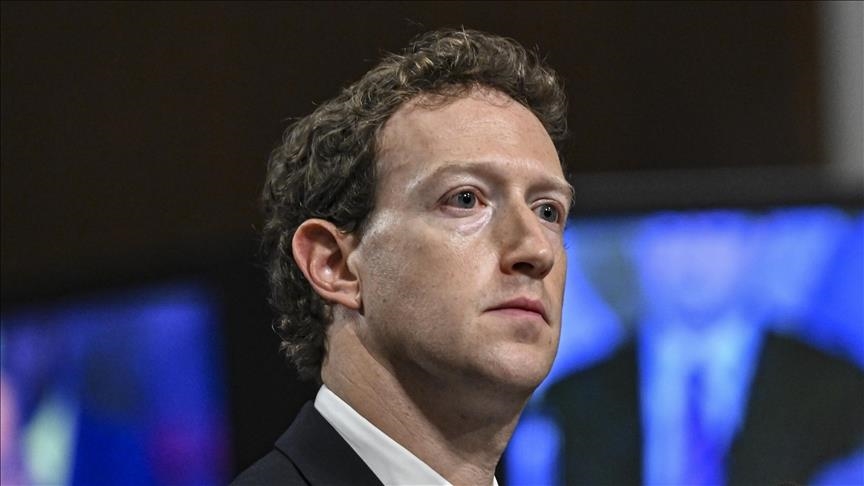
Trial Commences as Meta Investors and Zuckerberg Face Off Over Alleged Privacy Breaches
This trial extends beyond the $8 billion figure; it addresses how technology giants like Mark Zuckerberg should be held accountable for privacy missteps that affect more than just investor returns. It is truly perplexing that a company with extensive resources and global presence could find itself embroiled in a privacy violation stemming from its failure to honor a settlement established a decade ago.
The possibility that Meta’s board may have intentionally overlooked user data protections transcends legal implications; it highlights a deeper cultural failure within the tech industry. If those entrusted with safeguarding the online experiences of billions neglect this duty, it raises concerns about who is actually overseeing their oversight.
This trial, centered around what is known as a Caremark claim, holds significance as it could reshape judicial perspectives on board member accountability in the tech field. The plaintiffs argue that Meta’s leadership ignored critical warning signs, violating a 2012 agreement with the FTC and enabling third parties to misuse user data. Conversely, the defense contends that Meta acted appropriately by hiring consultants and claiming they were misled by an external party.
From an investor perspective, this case has the potential to set a precedent for holding executives financially liable for corporate misconduct. There is an urgent need for scrutiny regarding how tech companies manage personal information. This could increase legal pressure on corporate boards to prioritize compliance and ethical considerations alongside their focus on growth at all costs.
As proceedings unfold, this trial could determine not only financial accountability but also reflect on the integrity of the American justice system in demanding accountability from tech leaders. Should Zuckerberg and other executives emerge unscathed, it would convey a troubling message to all businesses profiting from consumer data. Alternatively, if the court rules in favor of investors, it might assign responsibility where it rightly belongs. Regardless of the outcome, this case has the potential to redefine how power, privacy, and corporate responsibility intersect within the digital landscape.
On Wednesday, an $8 billion lawsuit was initiated by shareholders of Meta Platforms against Mark Zuckerberg and other current and former executives over allegations of illegally harvesting Facebook users’ data in breach of a 2012 agreement with the U.S. Federal Trade Commission. The trial commenced with testimony from Neil Richards, a privacy expert from Washington University Law School, discussing Facebook’s data policies for the plaintiffs.