WFP’s Bamba Chakula food voucher program was halted in June
A humanitarian disaster is unfolding in Dadaab as thousands of refugees go hungry following the suspension of the Bamba Chakula food voucher program by the World Food Programme (WFP). The e-voucher system, once a lifeline, came to a halt in June, leaving families without basic meals.
The growing hunger is partly tied to a January 2025 decision by U.S. President Donald Trump, who froze foreign aid through USAID. Global experts now warn that this move could lead to over 14 million preventable deaths within five years if aid doesn’t resume.
Dadaab, home to over 200,000 people, is now among the worst hit, with the aid reduction quickly pushing vulnerable groups into survival mode.
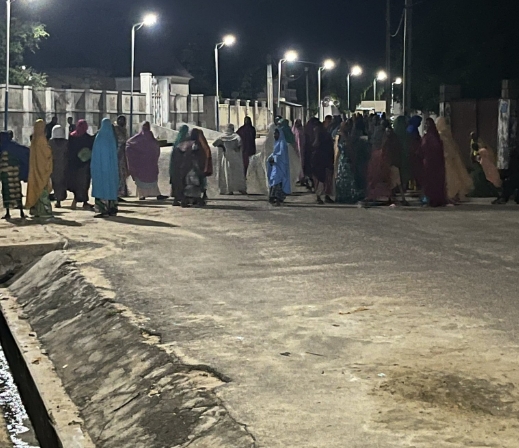
Refugee activist Abdullahi Mire, who runs the Refugee Youth Education Hub, says the food portions have become too small to sustain life. He recalls how, in April, a woman named Khadija Noor died in a food stampede as crowds struggled for limited supplies.
“In just three months, food baskets were slashed to a quarter. People are dying while lining up for food,” he said.
With no money or food, families are turning to desperate measures. Anab Gedi Mohammed, who was born in the camp and now leads a women-run group called Halgan, says teenage girls are being married off for survival.
“Some girls as young as 16 are being given to older men for money. Once they get pregnant, the men disappear,” she shared.
Mire adds that many refugee children have stopped going to school. “They’re forced to choose between staying in class or going out to find food for their families,” he said.
The Bamba Chakula voucher had already been losing value, dropping from $6 in March to $4 by May, before being stopped completely. Refugees say even when the voucher worked, the amount wasn’t enough.
In response, the Kenyan government and the UNHCR have launched the Shirika Plan—a blueprint to turn refugee camps into more open, inclusive spaces with jobs, education, and health services.
For young leader Mohammed Abdullahi Jimale, the idea gives hope:
“This is the only home I know. If we get the freedom to move and work, we can build a future.”
But not everyone is convinced. Anab, who raised concerns during a public forum, says refugees are still being denied basic freedoms.
“They talk of inclusion, but we’re stuck in one place. I still feel like I’m living in an open prison,” she said.
Abdullahi Mire says the Shirika Plan has potential, but action must match the promises. Until then, hunger continues to crush families.
“The plan sounds good on paper. But right now, our people are starving. Hope is fading fast,” he said.