
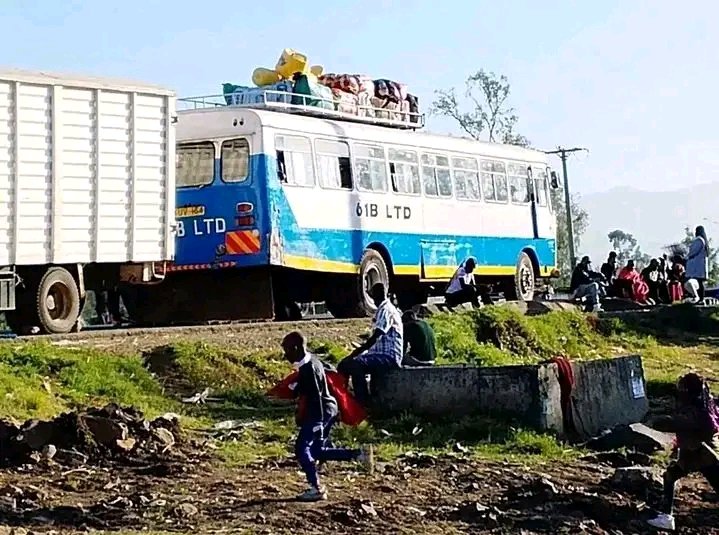
A viral breakdown of the earnings from a single bus trip from Nairobi to Busia has left many Kenyans reconsidering the profitability of the public transport sector.
While many travelers often mock the “dusty” appearance of older long-distance buses, a closer look at the financial books reveals that these vehicles are massive “cash cows,” particularly during the December 2025 festive season.
As transport demand peaks, a single 450-kilometer journey is now netting operators nearly KES 160,000 in pure profit.
Math: How One Trip Generates KES 245,000
The success of the Nairobi-Busia route is driven by a simple but powerful business metric: Maximum Capacity Utilization.
| Revenue Stream | Details | Total (KES) |

|---|---|---|

| Ticket Sales | 70 Passengers @ KES 3,500 | 245,000 |

| Fuel Costs | Approx. 200 Liters @ KES 171.47 | (35,000) |

| Operational Costs | Crew, Meals, Tolls, Maintenance | (50,000) |

| NET PROFIT | Single Trip Earnings | 160,000 |
The viral analysis, originally shared by industry insiders, argues that many people underestimate the earning potential of buses based on their outward appearance.
“Profitability in transport is not about luxury; it’s about volume and cost management,” the report states. By operating older, fully-owned diesel buses, operators avoid the high leasing and insurance costs associated with new electric or luxury fleets, allowing them to pocket more of the revenue during high-demand windows.
December “Fare Explosion”
As of December 25, 2025, fares from Nairobi to Western Kenya have hit an all-time high. While standard rates usually hover between KES 1,000 and KES 1,500, the “festive premium” has pushed tickets to KES 3,500.
For a bus company with a fleet of 10 such buses, the potential earnings during the 10-day Christmas peak can exceed KES 15 Million, even after accounting for the return leg, which often carries fewer passengers at lower rates.
Key Takeaways for Investors
- Capacity is King: A 70-seater bus offers significantly better margins than a 14-seater matatu on long distances.
- Route Selection: The Nairobi-Busia corridor remains one of the most consistent in terms of passenger volume.
- Maintenance: High profits are only sustainable if the vehicle can complete back-to-back trips without breakdown.