Home African News Ivory Coast’s 83-Year-Old President Alassane Ouattara Confirms Bid for 4th Term

Ivory Coast’s 83-Year-Old President Alassane Ouattara Confirms Bid for 4th Term

325
0
President Alassane Ouattara to contest again in October 2025 elections. He defends the move, citing national stability and a revised constitution. Key opposition leaders barred from participating, sparking criticism. Civil society raises concern as political temperatures rise. Fourth Term Announcement Ivory Coast President Alassane Ouattara has confirmed that he will be seeking a fourth term in the upcoming October elections. At 83, Ouattara maintains that his age and health will not affect his leadership, adding that the decision is based on a desire to maintain peace and guide the nation through ongoing security and economic uncertainties. “My health is fine. I’m running to protect national stability,” he stated. Constitutional Backing and Disputed Grounds Ouattara insists that the 2016 constitutional changes reset his term count, meaning he can legally vie for office again. While he stands as the strongest contender, some of his main challengers have been ruled out of the race. These include ex-President Laurent Gbagbo, former Prime Minister Guillaume Soro, and ex-minister Tidjane Thiam. Opposition Anger and Protest Ban Shortly after Ouattara's announcement, opposition figures expressed outrage. Thiam called the move unconstitutional and claimed it weakens democracy. “This is another blow to our democracy. Ivorians will speak through peaceful means,” Thiam responded. That same day, the government banned a peaceful rally set for August 7. The demonstration, organized by opposition parties, was meant to call for the re-admission of blocked candidates and a fresh review of the voter roll. Ouattara’s Track Record vs Growing Discontent Despite Ivory Coast’s economy recording over 6% growth annually in recent years, frustrations are mounting. Many citizens feel disconnected from the political system, and opposition exclusion has triggered fears of unrest. The current tensions are reminiscent of the 2010–2011 electoral conflict that killed more than 3,000 people, and the chaos surrounding Ouattara’s 2020 re-election. Calls for Calm Amid Rising Fears Over 8.7 million Ivorians have registered to vote. Religious leaders and civil rights groups, such as the Catholic Bishops’ Conference, are urging for calm and transparency ahead of the elections. They warn that the ongoing political division could threaten national unity if not addressed. The stage is set for a tense and closely watched electoral season, with many hoping history will not repeat itself.

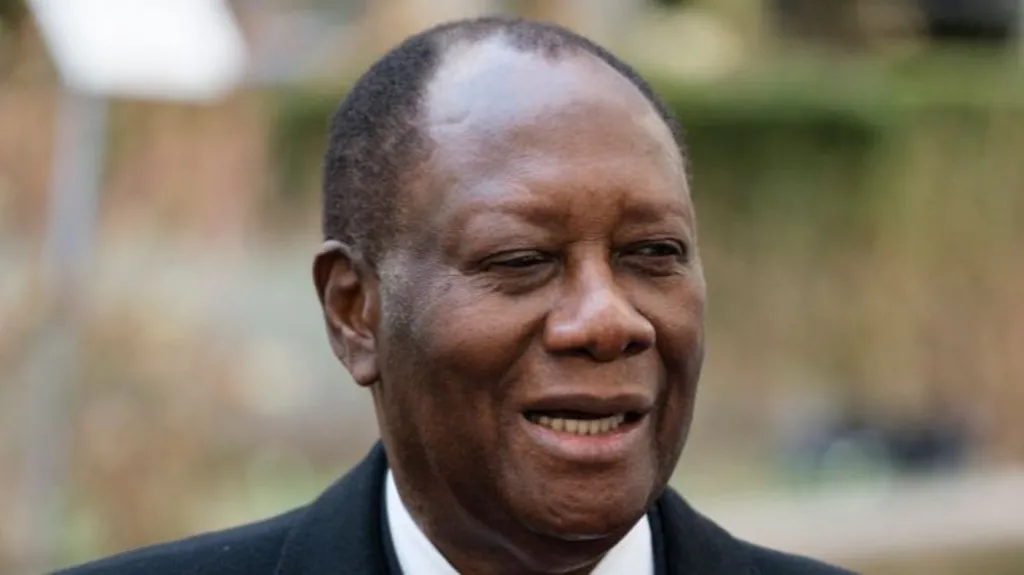
President Alassane Ouattara to contest again in the October 2025 elections.

Ivory Coast President Alassane Ouattara has confirmed that he will be seeking a fourth term in the upcoming October elections. At 83, Ouattara maintains that his age and health will not affect his leadership, adding that the decision is based on a desire to maintain peace and guide the nation through ongoing security and economic uncertainties.

“My health is fine. I’m running to protect national stability,” he stated.

Ouattara insists that the 2016 constitutional changes reset his term count, meaning he can legally vie for office again. While he stands as the strongest contender, some of his main challengers have been ruled out of the race. These include ex-President Laurent Gbagbo, former Prime Minister Guillaume Soro, and ex-minister Tidjane Thiam.

Shortly after Ouattara’s announcement, opposition figures expressed outrage. Thiam called the move unconstitutional and claimed it weakens democracy.

“This is another blow to our democracy. Ivorians will speak through peaceful means,” Thiam responded.

That same day, the government banned a peaceful rally set for August 7. The demonstration, organised by opposition parties, was meant to call for the re-admission of blocked candidates and a fresh review of the voter roll.

Despite the Ivory Coast’s economy recording over 6% growth annually in recent years, frustrations are mounting. Many citizens feel disconnected from the political system, and opposition exclusion has triggered fears of unrest.

The current tensions are reminiscent of the 2010–2011 electoral conflict that killed more than 3,000 people, and the chaos surrounding Ouattara’s 2020 re-election.

Over 8.7 million Ivorians have registered to vote. Religious leaders and civil rights groups, such as the Catholic Bishops’ Conference, are urging calm and transparency ahead of the elections. They warn that the ongoing political division could threaten national unity if not addressed.

The stage is set for a tense and closely watched electoral season, with many hoping history will not repeat itself.

LEAVE A REPLY

Please enter your comment!
Please enter your name here