
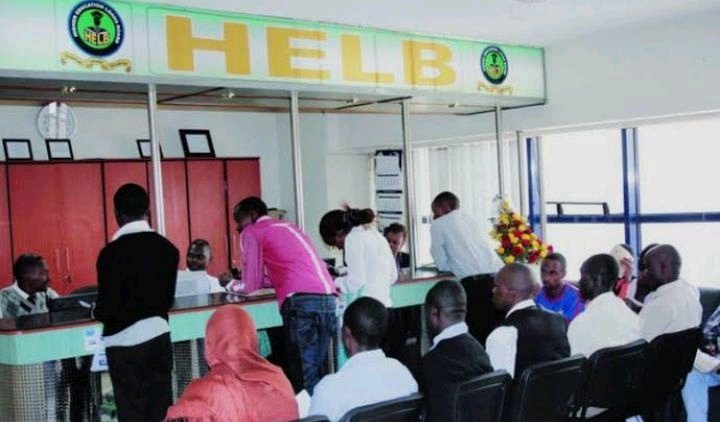
The Higher Education Loans Board (HELB) has officially begun enforcing mandatory salary deductions for employed Kenyans who have defaulted on their student loans.
This move targets private-sector employees, marking a major step in recovering overdue funds.
HELB, in collaboration with the Kenya Revenue Authority (KRA), has started notifying employers about the repayment status of their staff.
Employers are now required to deduct monthly loan payments directly from salaries for defaulters.
In a memo released to companies, HELB instructed that deductions begin in December 2025. Payments must be remitted by the 15th of the following month, and employers must submit completed Remittance Forms via the HELB employer portal.
The deductions will vary depending on the employee’s income, ensuring a tailored repayment approach.
HELB CEO Geoffrey Monari explained that the Board is taking a proactive approach to tackle defaults. “We’re engaging employers, reaching out to past beneficiaries, and implementing smarter policies to improve repayment rates,” he said.
As of mid-2025, HELB reports that 67.5% of its loan book is performing. However, roughly 256,000 Kenyans, with a total of Sh32 billion, remain at risk of defaulting.
To encourage repayment, the Board offers incentives, including up to an 80% penalty waiver for borrowers who clear their loans in full.
Borrowers can check balances and make payments through the HELB portal, mobile money, banks, or salary deductions.
Repayments typically start six months after graduation, and flexible arrangements are available for those unable to pay the full amount immediately.
Established in 1995, HELB provides financial support to Kenyan students through loans, bursaries, and scholarships.
Recovery of funds remains a critical part of its mandate, ensuring continued access to higher education for future generations.