Fuel Control Switches Activated Prior to Air India Crash: Preliminary Findings
An initial investigation report released early Saturday indicated that the fuel control switches for the engines of an Air India flight, which tragically crashed shortly after takeoff, resulting in the deaths of 260 people, were moved from the “run” to the “cutoff” position just moments before the incident.
The report, issued by India’s Aircraft Accident Investigation Bureau (AAIB), did not draw any conclusions or assign responsibility for the disaster that took place on June 12. However, it highlighted a dialogue between the pilots, where one asked why the fuel had been cut off, to which the other pilot responded that he had not done so.
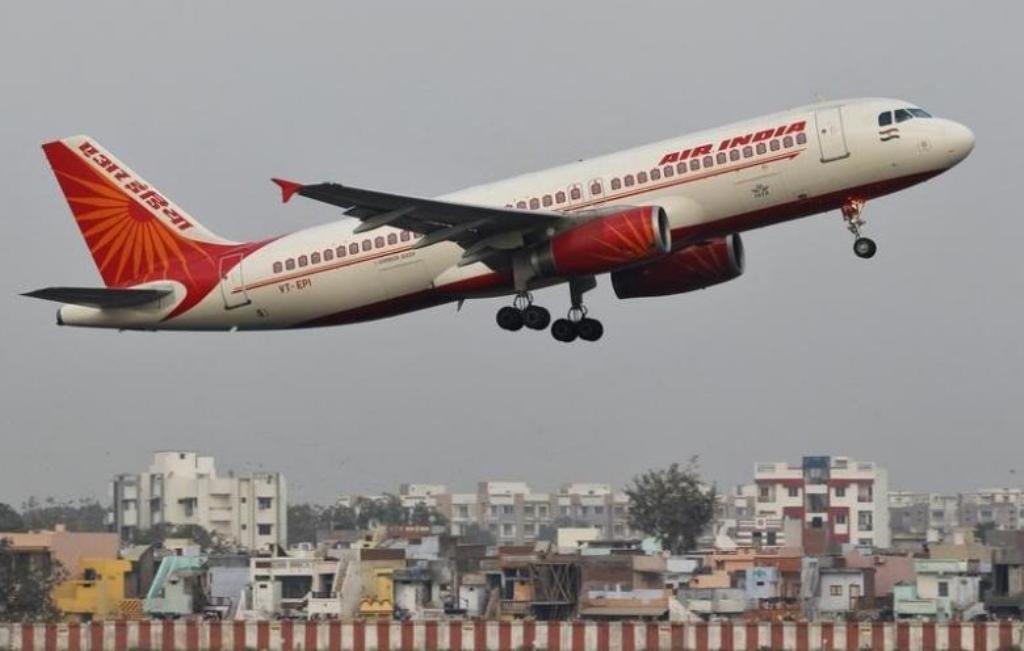
The Boeing 787-8 Dreamliner was on a flight from Ahmedabad in western India to London when it went down, claiming the lives of all but one of the 242 passengers on board, as well as 19 individuals on the ground.
In its 15-page document, the investigation bureau noted that after the aircraft reached its maximum recorded speed, “the Engine 1 and Engine 2 fuel cutoff switches transitioned from RUN to CUTOFF position one after another with a time gap of 01 sec.”
The cockpit voice recording captured one pilot questioning the other about the fuel cutoff, with the latter denying any involvement.
Following this, the aircraft began to descend rapidly.
Although the switches returned to the “RUN” position and the engines appeared to regain power, one of the pilots declared an emergency by transmitting “MAYDAY MAYDAY MAYDAY,” according to the report.
Air traffic controllers sought clarification on the situation but soon witnessed the aircraft crash and quickly notified emergency services.
Investigation Ongoing
Earlier this week, the specialist website The Air Current reported, citing multiple sources familiar with the investigation, that the focus had shifted to the operation of the engine fuel switches, while noting that a thorough analysis could take months or longer.
The report also suggested that the focus of the investigation might change over time.
The findings from the Indian agency mentioned that the US Federal Aviation Administration had issued an information bulletin in 2018 concerning “the potential disengagement of the fuel control switch locking feature.”
While this issue was not classified as an “unsafe condition” requiring a more serious directive, Air India informed investigators that it had not performed the recommended inspections, as they were considered “advisory and not mandatory.”
According to the report, Air India complied with all airworthiness directives and service bulletins related to the aircraft.
The investigation bureau concluded that there were “no recommended actions for B787-8 and/or GE GEnx-1B engine operators and manufacturers,” indicating no technical problems with either the engines (GE) or the aircraft (Boeing).
The bureau confirmed that the investigation is ongoing and that additional evidence and information have been requested from relevant parties.
Boeing stated that it would “continue to support the investigation and our customer,” expressing condolences to those affected by the tragedy.
Air India announced that it is “working closely with stakeholders, including regulators,” and emphasized its commitment to fully cooperating with the AAIB and other authorities as the investigation progresses.
The UN’s International Civil Aviation Organization (ICAO) requires that states leading an investigation submit a preliminary report within 30 days following an accident.
Investigators from the US and the UK are involved in the inquiry.
The aircraft was carrying 230 passengers, including 169 Indians, 53 British, seven Portuguese, and one Canadian, along with 12 crew members.
Several individuals on the ground sustained injuries.
Notably, one passenger, a British citizen, survived the crash and was seen emerging from the wreckage; he has since been discharged from the hospital.
Initially, health officials in Gujarat reported at least 279 fatalities, but forensic scientists later revised this figure after identifying multiple scattered and severely burned remains.