
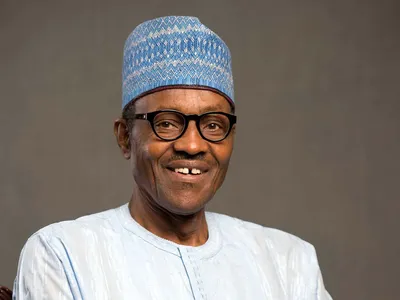
Former President Muhammadu Buhari has passed away at the age of 82
Nigeria is mourning the death of Muhammadu Buhari, the country’s former president and long-serving public figure, who died at 82 in a London clinic. His family announced on Monday, sparking reflection across Africa.
Buhari was known both for his strict leadership and for the paradox of his time in office — a man seen as honest and disciplined, yet surrounded by a system he struggled to reform.
Buhari first took control of Nigeria in 1983 through a military coup, staying in power until 1985, when he was ousted. His first stint was marked by harsh rule, anti-corruption crackdowns, and restricted freedoms.
Years later, he returned to politics as a democratic candidate, determined to fight corruption and offer change. After three failed presidential bids, Buhari won the 2015 election, making history by defeating an incumbent, Goodluck Jonathan. He secured a second term in 2019.
While many Nigerians believed Buhari would clean up the government and restore order, his presidency faced challenges. Rising insecurity, youth unemployment, and economic troubles frustrated millions.
His critics often called him “Baba Go Slow”, a nickname reflecting his cautious leadership style. Others accused him of being too detached from everyday issues and slow to act during crises.
Despite criticism, even his opponents acknowledged one thing: Buhari lived a modest, scandal-free life. In a country riddled with political corruption, his Spartan lifestyle and calm demeanour earned respect, especially in northern Nigeria, where he remained deeply popular.
He is survived by his wife, Aisha Buhari and their children. His political journey — from military rule to democratic leadership mirrors Nigeria’s own turbulent path.
Although opinions on his rule are deeply divided, Muhammadu Buhari’s name will remain part of Nigeria’s story as a leader who tried to steer the country through moments of great promise and deep uncertainty.