
FDA Approves Semi-Annual Injection for HIV Prevention
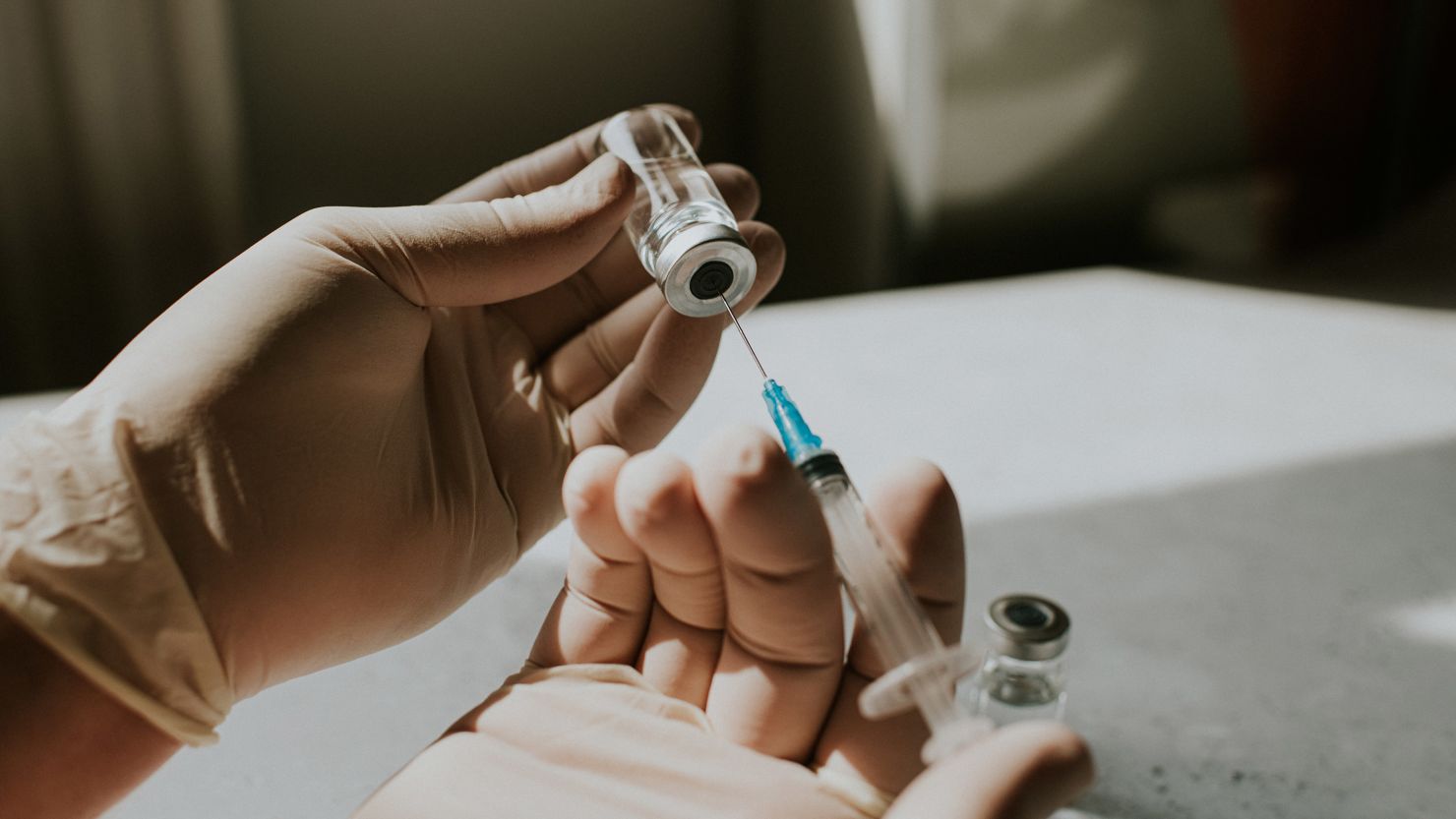
On June 18, the U.S. Food and Drug Administration (FDA) granted authorization for the first medication aimed at preventing HIV that requires only biannual administration. Individuals at high risk of HIV can now receive an injection called lenacapavir, marketed under the brand name Yeztugo, every six months.
This approval signifies a major breakthrough in the fight against HIV and could significantly change the trajectory of the epidemic.
While current anti-HIV therapies have allowed millions to effectively manage the virus—keeping viral loads undetectable to prevent transmission—and help those who are HIV-negative maintain their status through preventive measures, daily pill regimens often pose challenges related to adherence and effectiveness.
In two clinical trials conducted by researchers at Gilead, which developed lenacapavir, it was demonstrated that the drug offered complete protection against HIV infection in cisgender women compared to daily oral pills known as PrEP (pre-exposure prophylaxis). For men who have sex with men and gender-diverse individuals, its effectiveness was reported at 96%.
“Lenacapavir’s independent use for prevention is a significant advancement,” states Dr. David Ho, a microbiology, immunology, and medicine professor at Columbia University who has played a key role in developing combination anti-HIV therapies to combat viral resistance. “Its potential impact on curbing the epidemic is considerable.”
Nonetheless, advocacy groups and global AIDS organizations express apprehension about whether this potential will fully materialize due to recent cuts in U.S.-funded programs focused on HIV treatment and prevention worldwide.
Shift from Treatment to Prevention
Lenacapavir received FDA approval in 2022 as a treatment option for individuals with HIV whose viruses are resistant to other antiviral medications. During its development, Gilead’s researchers identified two important characteristics of lenacapavir: its extended presence within the body compared to other antiviral drugs and its ability to disrupt various stages of the virus’s replication cycle.
“We observed remarkable results following just a single injection,” notes Tomas Cihlar, senior vice president of virology at Gilead. “It essentially protected non-human primates from contracting HIV. This prompted us to shift our focus towards prevention.”
Since individuals taking preventive medications are generally HIV-negative, “the safety requirements for these patients are quite stringent,” remarks Jared Baeten, vice president of HIV development at Gilead. “However, based on comprehensive pharmacological data and proven antiviral efficacy seen in treatment protocols by late 2020 we decided to push lenacapavir into preventive applications,” he explains.
While lenacapavir is used alongside other medications when treating HIV—aiming to reduce resistance—the drug can be administered alone for prevention as there is no active virus replication occurring within an uninfected person.
Implications for Vaccine Development
Although lenacapavir is not classified as an HIV vaccine, its preventative effects resemble vaccination methods. Vaccines prepare the immune system to recognize and fight pathogens like viruses; similarly, lenacapavir maintains sufficient drug levels within the body capable of preventing infection.
The outcomes appear notably similar—representing significant progress—especially considering more than forty years have elapsed since HIV was discovered without a successful vaccine being produced. “Current candidate vaccines do not demonstrate this level of promise for preventing HIV infection,” asserts Ho. “We remain far from realizing an effective vaccine.”
The long-lasting nature of lenacapavir signifies a new strategy for anti-HIV treatments that could improve accessibility for more individuals seeking preventive options according to Hui Yang, head of supply operations at the Global Fund to Fight AIDS, Tuberculosis and Malaria. “Experience shows us that adherence presents substantial challenges in preventive initiatives; this is an issue we aim to address with lenacapavir as PrEP.” The Global Fund aims to enroll two million additional participants into preventive programs over three years; lenacapavir may facilitate reaching this target.
However, receiving injections still requires healthcare provider involvement along with negative prior testing before each dose—a barrier particularly difficult for vulnerable populations in low- and middle-income countries where many affected individuals are young adults. Yang proposes that a self-administered version of lenacapavir could be more appropriate for such settings: “It could resemble insulin injections administered by patients themselves,” she comments.
Gilead is also working on an annual variant of lenacapavir intended to significantly reduce clinic visit requirements.
Unrealized Potential
Despite notable scientific advancements, it may take considerable time before lenacapavir has a profound effect on global efforts against the HIV epidemic. “We’ve engineered an exceptional solution but face deteriorating infrastructure,” observes Kevin Frost CEO of amfAR (the Foundation for AIDS Research). “Lenacapavir arrives during one of the most critical periods seen over three decades concerning AIDS; we are witnessing regression due to dismantling essential treatment frameworks.” Reductions in funding from USAID and PEPFAR coupled with cuts affecting National Institutes of Health hinder immediate access: “Such changes mean lenacapavir will struggle right out of the gate.”
While Gilead has not disclosed specific pricing details regarding lenacapavir yet indicated it would likely align with current branded PrEP options—potentially unaffordable for lower-income areas where demand remains highest according to Frost.
Addressing cost barriers alongside broader accessibility issues is essential if we genuinely want to realize all benefits presented by this medication. In U.S. states offering comprehensive PrEP coverage, new infections decreased by 38%, while regions lacking availability saw a rise by 27% from 2012-2022 according to recent findings published in *Lancet HIV*. To support wider distribution efforts Gilead has reached royalty-free licensing agreements with six generic manufacturers facilitating production tailored toward prevention across 120 low- and middle-income nations.
“Assuming local manufacturing capabilities exist there should be affordable versions available,” states Frost—but considering existing channels such as USAID face significant constraints complicate distribution further.”
With lenacapavir’s introduction into preventive care heightening expectations around vaccine development becomes even more ethically complex; administering placebos might prove challenging given both oral PrEP along with newly approved injections provide considerable protection against infection risks associated with contracting HIV . Denying trial participants access would raise ethical questions surrounding equitable treatment options available today according Ho’s perspective: “This situation potentially detracts focus away from advancing vaccine research because effective means exist today capableof successfully preventing infections.”