ECO Currency: One West Africa, One Currency
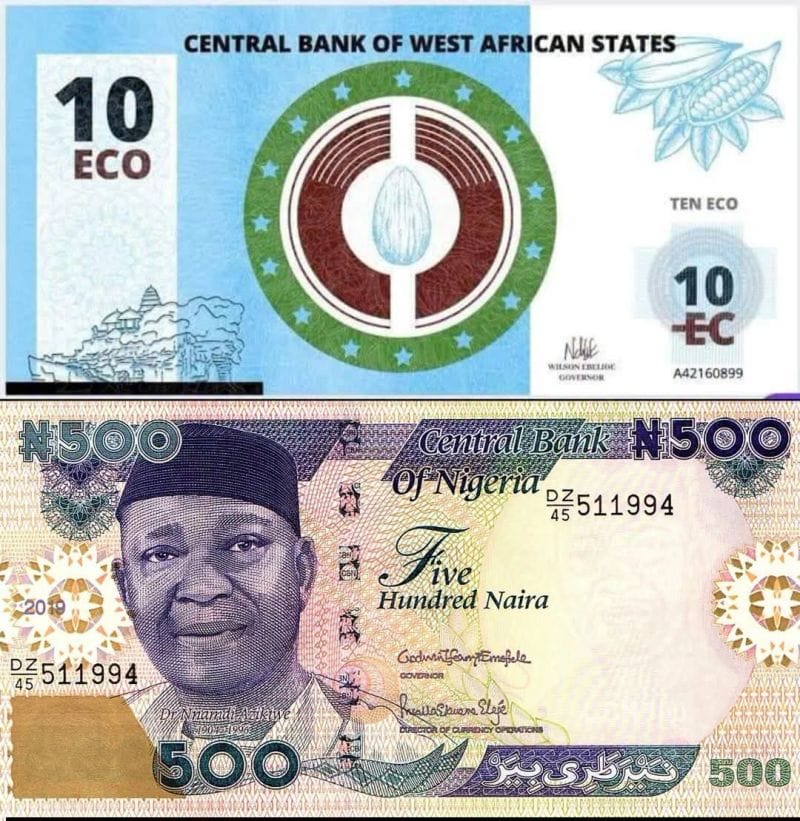
West African countries are preparing for the proposed introduction of a common currency known as the ECO, an initiative aimed at simplifying trade and financial transactions across the region.
The ECO is a proposed single currency for members of the Economic Community of West African States (ECOWAS). Its introduction is intended to make regional trade easier by allowing participating countries to settle transactions without relying on the US dollar.
Ghanaian President John Dramani Mahama has urged eligible ECOWAS countries to move forward with adopting the ECO rather than waiting for all 15 member states to meet the required conditions.
What Is the ECO Currency?
The ECO is a proposed common currency designed to support economic integration among ECOWAS member countries.
Under the proposal, the ECO would initially operate alongside participating countries’ national currencies. It would be used to settle trade between participating nations without requiring transactions to pass through the US dollar.
The initiative is intended to make cross-border business and transactions easier while strengthening economic cooperation across West Africa.
Ghana’s Mahama Urges ECOWAS Countries to Adopt the ECO
Ghanaian President John Dramani Mahama has called on eligible ECOWAS countries to proceed with the proposed ECO single currency.
He has criticised the slow pace of economic integration in West Africa, arguing that regional trade remains limited despite decades of agreements and cooperation.
Mahama said trade among countries in the sub-region accounts for only between 12% and 15%.
He also pointed to persistent non-tariff barriers, border restrictions and bureaucratic procedures as obstacles that continue to frustrate businesses and restrict the movement of goods and services.
Anglophone Countries Expected to Adopt the ECO First
Under the proposal outlined in the article, Anglophone West African countries, including Nigeria, Ghana, The Gambia, Liberia and Sierra Leone, are expected to be among the first to adopt the ECO.
Francophone countries would follow, with their CFA currencies still being handled by France.
The proposed transition has also raised questions about France’s monetary influence in the region. The article states that French President Emmanuel Macron travelled to West Africa earlier in the year to ensure the ECO was pegged to the euro/CFA value.
Mahama Calls for Faster West African Economic Integration
Speaking at the inaugural West Africa Integration and Investment Summit (WAIIS) in Sierra Leone, Mahama said the region should have achieved greater progress in trade liberalisation.
He referred to the establishment of ECOWAS in 1975 and the adoption of the ECOWAS Trade Liberalisation Scheme (ETLS) in 1990 as important milestones in regional cooperation.
However, he argued that trade barriers and administrative restrictions continue to undermine the goals of economic integration.
The proposed ECO currency is part of the wider effort to strengthen economic cooperation and make trade between participating West African countries easier.
Key Facts About the ECO Currency
- Currency: ECO.
- Region: West Africa.
- Regional organisation: Economic Community of West African States (ECOWAS).
- Main objective: Simplify trade and transactions among participating countries.
- Proposed arrangement: The ECO would initially operate alongside national currencies.
- Countries mentioned for initial adoption: Nigeria, Ghana, The Gambia, Liberia and Sierra Leone.
- Ghanaian President: John Dramani Mahama.
- Regional trade: Mahama said trade within the sub-region remains between 12% and 15%.
- ECOWAS established: 1975.
- ECOWAS Trade Liberalisation Scheme adopted: 1990.
Frequently Asked Questions
1. What is the ECO currency?
The ECO is a proposed single currency for ECOWAS member countries, intended to simplify trade and financial transactions across West Africa.
2. When is the ECO currency expected to be introduced?
The article points to 2027 as the expected year for the proposed adoption of the ECO currency.
3. Which countries are expected to adopt the ECO first?
The countries identified for initial adoption are Nigeria, Ghana, The Gambia, Liberia and Sierra Leone.
4. What is the main purpose of the ECO currency?
The proposed currency aims to make trade and transactions between participating West African countries easier.
5. Will the ECO replace national currencies immediately?
Under the proposal, the ECO would initially operate alongside participating countries’ national currencies.
6. What has Ghanaian President John Dramani Mahama said about the ECO?
Mahama has urged eligible ECOWAS countries to move forward with adopting the proposed currency instead of waiting for all 15 member states to meet the requirements.
7. Why does Mahama want faster economic integration?
He has criticised the slow pace of regional integration and highlighted trade barriers, border restrictions and bureaucratic procedures that affect businesses.
8. What percentage of trade takes place between West African countries?
Mahama said trade among countries in the sub-region remains between 12% and 15%.
9. What is the ECOWAS Trade Liberalisation Scheme?
The ECOWAS Trade Liberalisation Scheme (ETLS) is a regional trade initiative adopted in 1990 to support trade liberalisation among member countries.
10. How could the ECO affect regional trade?
Under the proposal, participating countries could use the ECO to settle trade transactions without routing them through the US dollar.
Latest African Economic News and Updates
The proposed ECO currency represents an important step in West Africa’s efforts to strengthen regional economic integration. With Ghanaian President John Dramani Mahama calling for eligible countries to move ahead, attention remains on the proposed adoption and the region’s ability to address long-standing trade barriers.
For more African news, international developments and economic updates, continue following News As It Happens.
Contact: Info@newsaih.com
Related News and Updates:
- Nigerians Extradited to the US
- France Fuel Shortages
- India and Switzerland Strengthen Bilateral Ties