
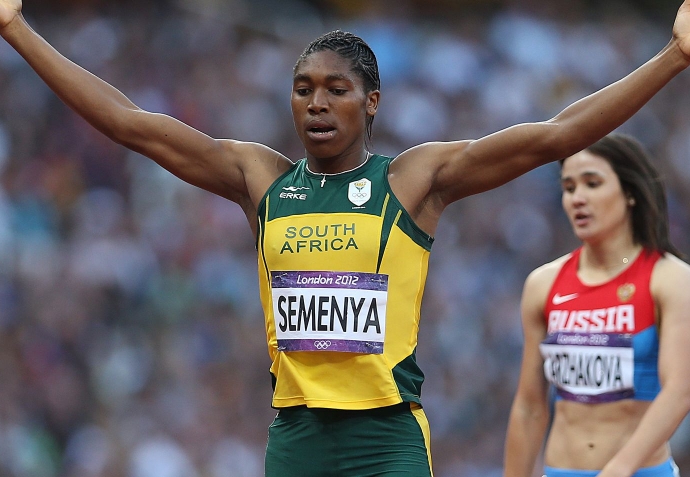
South African Olympic champion Caster Semenya wins landmark ruling at the European Court of Human Rights (ECHR).
South Africa’s Caster Semenya has scored a major legal win after the Grand Chamber of the European Court of Human Rights ruled that her right to a fair hearing was violated by the Swiss Federal Supreme Court. The decision relates to the court’s 2020 rejection of Semenya’s appeal against World Athletics’ controversial regulations requiring female athletes with Differences of Sexual Development (DSD) to reduce their natural testosterone levels to compete in certain events.“The review by the Swiss court had fallen short of the requirement of particular rigour.”
— European Court of Human Rights rulingSemenya, a two-time Olympic and three-time world 800m champion, was born with a rare condition called 5-alpha-reductase deficiency, meaning she has elevated testosterone levels despite being legally and biologically female. World Athletics argues that such levels give DSD athletes an unfair advantage, while Semenya and her supporters claim the policy is discriminatory and medically coercive. In 2019, the Court of Arbitration for Sport (CAS) admitted the rules were discriminatory but ruled they were “necessary to preserve fairness” in women’s athletics. The ECHR focused not on the rules themselves, but on how the Swiss courts handled Semenya’s appeal. It ruled in her favour under Article 6 – Right to a fair trial, but dismissed her complaints under:Article 8 – Right to privacyArticle 13 – Right to an effective remedyArticle 14 – Freedom from discrimination were deemed outside Switzerland’s jurisdiction, since the country was not directly responsible for the World Athletics regulations.
Semenya Speaks Out
“This is great for me, great for athletes. It’s a reminder to leaders that athletes need to be protected,”
— Caster Semenya, outside the court in StrasbourgSemenya refused to take testosterone-lowering treatment, ruling her out of elite competition since 2019. Despite her absence from the track, she’s become a global symbol in the fight for bodily autonomy and gender inclusion in sport. In a 2023 interview, she stated: “I was born without a uterus. I have internal testicles. But I am a woman and I have a vagina.”
— Caster Semenya, BBC Sport
While the ECHR ruling does not immediately overturn World Athletics’ rules, it strengthens Semenya’s legal standing, could allow her to reopen her case in Swiss courts, may influence future human rights cases involving sports and gender, and raises pressure on the judiciary across Europe to ensure procedural fairness in similar disputes
Semenya’s journey highlights not just the limits of athletic policy but also the evolving legal landscape around gender, fairness, and human dignity in global sport.