Buhari’s Northern Hometown Prepares for Burial of the Late Nigerian Leader
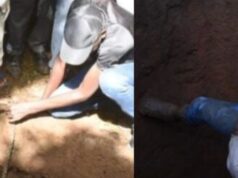
On Monday, preparations commenced in Daura, the northern hometown of former Nigerian President Muhammadu Buhari, in anticipation of his burial.
Funeral arrangements were being made as Daura prepared to lay to rest the former military ruler and twice-elected democratic leader.
Schools were closed to children as government offices observed a public holiday and mourning period; however, many private businesses remained operational due to financial constraints.
At 82 years old, Buhari passed away in London on Sunday “after a prolonged illness,” according to President Bola Tinubu.
Vice President Kashim Shettima arrived in London on Monday to accompany Buhari’s remains back home, as reported by Nigerian media outlets.
Body Expected on Tuesday
An aide from Katsina state, where Daura is situated, indicated that Buhari’s body is expected to return on Tuesday, with the burial planned for the same day following Islamic traditions.
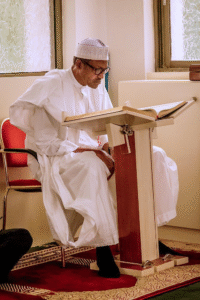
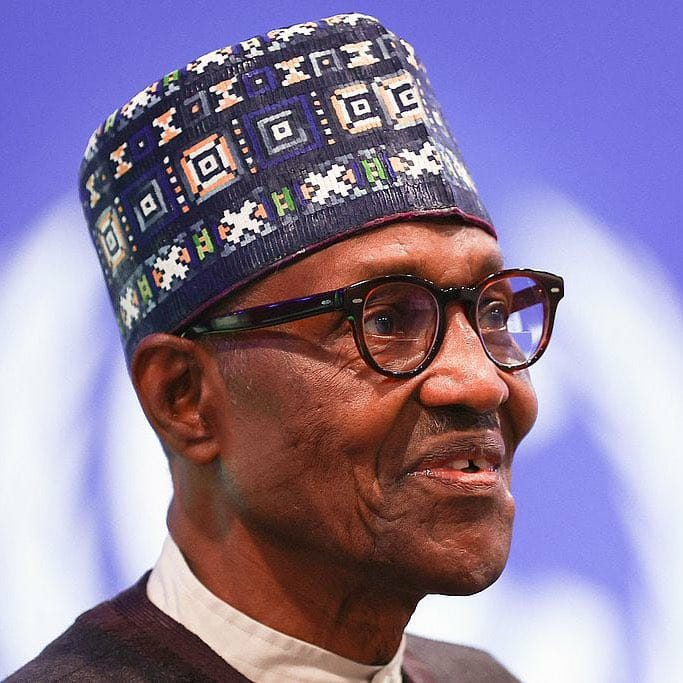
Buhari served as Nigeria’s military head of state during the 1980s before re-emerging as a self-identified “converted democrat,” completing two terms from 2015 until 2023. He was born in 1942 in Daura during British colonial rule.
Katsina Governor Dikko Umaru Radda referred to him as “the embodiment of the common man’s aspirations.”
Increased Security Presence
As business activities continued in Daura on Monday, a heightened presence of police and military personnel around Buhari’s residence and at intersections disrupted the town’s usual calmness; this small community lies less than 20 kilometers from the Niger border.
“Buhari was an honest man who tried his best for Nigeria, but like everyone else, he had his flaws,” remarked Nasiru Abdullahi, a 35-year-old tire mechanic, raising his voice above the noise of machinery in his shop.
Local residents highlighted Buhari’s contributions through initiatives such as establishing a polytechnic institution and a university in Daura while improving electricity access and founding two military bases that enhanced security.
“Buhari was good to us. He accomplished much for our community, and we are grateful for all he has done,” stated Aminu Lawan, a butcher shop owner aged 46 who prepared roasted kebabs outside his shop while cutting meat on a wooden table.
Economic Necessity Amid Mourning
“Everyone is grieving, yet businesses remain open because people need to make a living,” added Lawan.
In a significant political milestone for Nigeria, Buhari became the first opposition candidate to win against an incumbent president through elections in 2015—a pivotal moment perceived as an opportunity for transformative change within the country.