Albania Protests Escalate as Demonstrators Throw Molotov Cocktails at Police
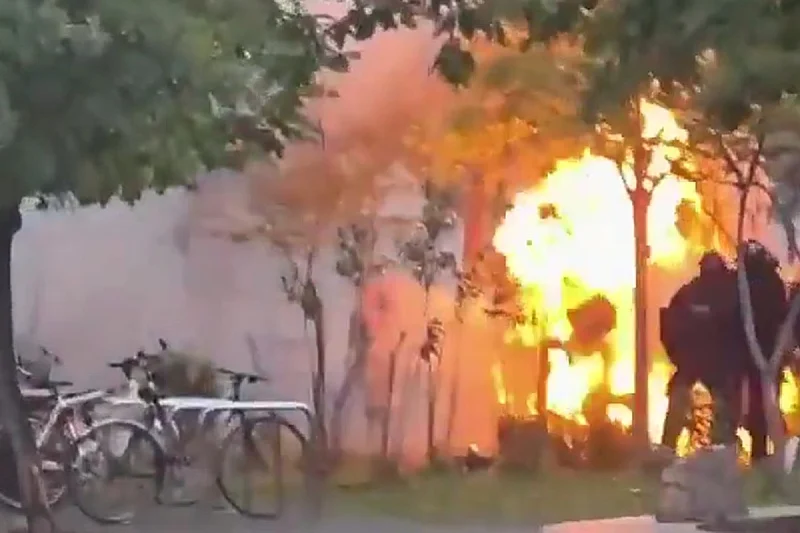
Anti-government protests in Tirana, Albania, escalated into violent clashes on Saturday evening, October 24, as demonstrators threw Molotov cocktails at police officers near the headquarters of the ruling Socialist Party.
Several officers reportedly caught fire during the confrontation, and one police officer was seriously injured. Police responded with tear gas near Skanderbeg Square, while clashes continued around the party headquarters and protesters targeted police vehicles with water cannons.
The demonstrations have been ongoing since mid-October, beginning with students demanding lower tuition fees, increased investment in education and an end to corruption. The movement has since expanded, with demonstrators also calling for Prime Minister Edi Rama to resign.
Molotov Cocktails and Clashes at Socialist Party Headquarters
The violence intensified near the headquarters of Albania’s ruling Socialist Party, where protesters threw Molotov cocktails at police officers. Several officers reportedly caught fire, while one sustained serious injuries.
Demonstrators also threw incendiary devices at police vehicles equipped with water cannons. Police used tear gas to disperse the crowd, but confrontations continued in the area.
The clashes formed part of a broader wave of anti-government demonstrations in Tirana, with protesters directing their anger at the country’s political leadership.
Police Use Tear Gas, Water Cannons and Rubber Bullets
According to Reuters, riot police used tear gas, water cannons and rubber bullets against demonstrators who threw stones at officers and set fire to the entrance of the Ministry of Agriculture.
Al Jazeera reported that some protesters gathered outside the Ministry of Education, where they threw stones and pushed burning containers towards the building.
The unrest spread across several locations in the capital, creating further confrontations between demonstrators and security forces.
Authorities deployed 2,500 police officers in Tirana as the situation escalated. Officials said more than 300 protesters and police officers had been injured, while dozens of demonstrators were detained, according to reports cited from the Associated Press and Agence France-Presse.
Protesters Target Government Symbols and Demand Resignations
Demonstrators also set fire to red pillows that Prime Minister Edi Rama had placed in front of the government building as a symbolic invitation for students to engage in dialogue.
The crowd chanted slogans including “Rama to jail” and “Berisha to jail,” expressing anger towards the country’s political class.
The protests began with student demands focused on education costs, funding and corruption. However, the demonstrations have grown into a wider anti-government movement calling for Rama’s resignation.
The unrest reflects the expanding scope of the protests, with demonstrators directing their demands beyond education policy towards the national political leadership.
Edi Rama Calls Violence ‘Urban Terror’
Prime Minister Edi Rama described the violence as “urban terror” and accused foreign actors of contributing to the unrest. He also accused Russia and Iran of spreading disinformation online.
Rama published photographs of 40 people identified only by their initials, accusing them of involvement in violence. He also announced what he described as a long and persistent response from the state.
The supplied report does not provide further details about the evidence behind the accusations or the specific measures included in the announced response.
The government’s position has added another dimension to the crisis, as the protests continue amid demands for political accountability and changes to education policy.
Why Are People Protesting in Albania?
The demonstrations began in mid-October, led by high school and university students calling for lower tuition fees, greater investment in education and action against corruption.
As the protests continued, a broader movement joined the demonstrations and called for Prime Minister Edi Rama to step down.
The latest clashes show how the demonstrations have escalated from student-led demands into wider confrontations involving protesters, police and government institutions.
Related international coverage includes our report on student protests in France and the Albanian parliament scuffle amid student protests. For further international political developments, visit our World News section.
Key Facts About the Albania Protests
- Location: Tirana, Albania.
- Date of latest clashes: Saturday evening, October 24, 2026.
- Main location of violence: Headquarters of the ruling Socialist Party.
- Police response: Tear gas, water cannons and rubber bullets were reportedly used.
- Police deployment: Authorities deployed 2,500 officers in Tirana.
- Reported injuries: Authorities said more than 300 protesters and police officers had been injured.
- Detentions: Dozens of protesters were reportedly detained.
- Main demands: Lower tuition fees, greater education investment, action against corruption and Rama’s resignation.
- Government response: Rama condemned the violence and announced a prolonged state response.
- Status: The supplied report does not provide a final casualty or arrest total.
Frequently Asked Questions About Albania Protests
1. What happened during the Albania protests in Tirana?
Anti-government demonstrations escalated into violent clashes on Saturday evening, with protesters throwing Molotov cocktails and stones at police and setting fires near government buildings.
2. Where did the latest clashes take place?
The confrontations occurred near the headquarters of the ruling Socialist Party and at other locations in Tirana, including areas around Skanderbeg Square and government ministries.
3. Were police officers injured during the protests?
Yes. One police officer was reported seriously injured, and several officers reportedly caught fire during the Molotov cocktail attack.
4. How many people were injured in the Albania protests?
Authorities said more than 300 protesters and police officers had been injured. The supplied report does not provide a final breakdown by group.
5. How did police respond to the demonstrators?
Riot police reportedly used tear gas, water cannons and rubber bullets while responding to stone-throwing and fires.
6. Why did the Albania student protests begin?
The demonstrations began in mid-October, with students demanding lower tuition fees, greater investment in education and an end to corruption.
7. Are protesters calling for Edi Rama to resign?
Yes. The student-led demonstrations expanded into a broader anti-government movement calling for Prime Minister Edi Rama’s resignation.
8. What did Edi Rama say about the violence?
Rama described the violence as “urban terror” and accused foreign actors, including Russia and Iran, of contributing to disinformation online.
9. How many police officers were deployed in Tirana?
Authorities deployed 2,500 police officers in the Albanian capital amid the escalating unrest.
10. Are the protests limited to education issues?
No. Although the demonstrations began with education-related demands, they have expanded to include opposition to corruption and calls for Rama to resign.
Latest Albania, Europe and International News
Stay updated on political developments, protests and breaking international stories through News As It Happens – World News.
For news tips and editorial enquiries, contact Info@newsaih.com.