




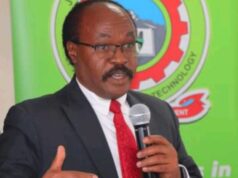
Reverend Lydia Kahiga of the PCEA Church has become the centre of a national conversation after a video of her sermon went viral on social media.
In the widely shared clip, Rev. Kahiga tells her congregation to give two types of tithe: the normal tithe from their salary and an additional tithe calculated from the amount of debt they owe.
During the sermon, Rev. Kahiga explains that Christians should not only give 10 percent of their income.
She says believers should also offer 10 percent of any outstanding loans, including money owed through mobile platforms such as Fuliza and M-Shwari, debts from shylocks, as well as bank loans.

According to her message, tithing on debts would invite divine intervention and allow God to clear the financial burdens of the faithful in a supernatural way.
In her example, Rev. Kahiga tells members that if a person earns KSh100,000 and owes KSh500,000, then the person should give KSh10,000 as tithe from their salary.
She adds that they should also give KSh50,000 as tithe from their debt, bringing the total tithe to KSh60,000.
She explains that this level of giving shows faith and obedience, which she believes unlocks spiritual blessings and financial miracles.
The message has attracted mixed reactions from Kenyans across the country.
Many social media users expressed concern, saying the instruction could push people who are already in debt into even deeper financial trouble.
They noted that at a time when many households are struggling with the high cost of living, unemployment, and growing dependence on mobile loans, adding an extra financial burden might worsen their situation.
Some Kenyans questioned how reasonable it is to ask people to tithe from money they do not yet have, especially when debts often grow due to interest.
Commenters argued that if someone is already overwhelmed by loans, giving out more money in the name of tithing may place them at risk of further hardship.
However, a section of the public defended Rev. Kahiga, saying that churches follow different teachings and doctrines.
They argued that giving is a personal choice, and believers have the freedom to decide how they practice their faith.
Others said that many churches encourage sacrificial giving and that spiritual teachings on finances should not be taken lightly.
Religious leaders and financial experts have also joined the conversation.
Some have advised Kenyans to approach such teachings with caution and ensure they make decisions that do not harm their financial well-being.
They suggested that churches should balance spiritual messages with practical financial guidance, including saving, budgeting, and avoiding unnecessary debt.
By Wednesday evening, the PCEA national leadership had not released a formal statement on the matter.