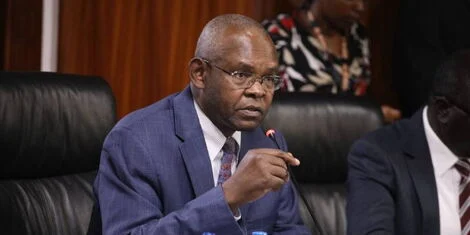





Nairobi promoter Noni Karanja sparked debate by insisting DJs must pull crowds to get booked.
What was once about mixing records and keeping the dancefloor alive has now turned into a test of social media influence. DJs are no longer judged only by their skills behind the decks but also by their ability to pull crowds online.
The controversy began when Nairobi promoter Noni Karanja posted a notice saying DJs who cannot pull crowds will not be booked. For many, this sounded like blackmail.
NRG’s DJ Exclusive fired back, saying promoters should handle marketing while DJs focus on music.
“If that is the case, then let photographers come with their cameras, chefs with their food and bartenders with their own drinks,” DJ Exclusive said.
Karanja, however, defended herself, saying her words were misinterpreted.
“Veteran DJs act entitled. Many don’t promote the shows they are booked for. At the end of the day, the club has sales targets, and we are in cutthroat competition.”
During the pandemic, when clubs were closed, DJs built digital audiences. DJ Grauchi and the B.a.G series grew strong on YouTube, keeping fans entertained with virtual house parties. This digital success carried into live events but blurred the line between performance and self-promotion.
Veterans like DJ Joe Mfalme have balanced both artistry and influence successfully, but younger DJs feel exploited. They are expected to entertain, promote, and create content often without better pay.
The big question for Kenya’s nightlife remains: is this evolution progress that keeps DJs relevant, or is it exploitation of artists under the weight of influencer culture?