
Ghana deports at least six west Africans expelled by US to Togo
The fate of these people, who sought asylum in the United States for fear of reprisals in their home countries, is in the hands of the courts. But the framework for deportation agreements between countries remains unclear.
Ghana has sent at least six migrants from West African countries to Togo , initially expelled by the United States as part of President Donald Trump’s policy to combat illegal immigration, their lawyers told AFP.
Eleven people deported by the United States and detained in Ghana have filed a lawsuit against the Ghanaian government for their detention without trial or charge. They also hoped to prevent their return to their home country. Originally from Nigeria (4), Togo (3), Mali (2), Liberia (1), and Gambia (1), these individuals were taken to Ghana in early September.]
“All of them were seeking asylum in the United States, and they made it clear that they faced persecution – whether for religious reasons, political reasons, or even because of their sexual orientation,” lawyer Oliver Barker-Vormawor told AFP last week . But before Ghana’s High Court, he claimed that at least six of the 11 people had been “deported” to Togo without waiting for their cases to be heard.
Details kept secret by Accra
The fate of these individuals remains shrouded in secrecy, including the exact time of their arrival in Ghana and their whereabouts. This is despite the efforts of lawyers, human rights defenders, and journalists to track the rapid pace of deportations carried out by the Trump administration and their acceptance by third countries around the world.
Deporting people to third countries—often where they have never lived—has been a signature policy of President Trump since returning to the White House in January, including sending hundreds of people to a notorious prison in El Salvador, as well as to Panama and South Sudan. Deportations to Ghana reportedly began in early September, and more are underway, though Accra has kept many details secret.
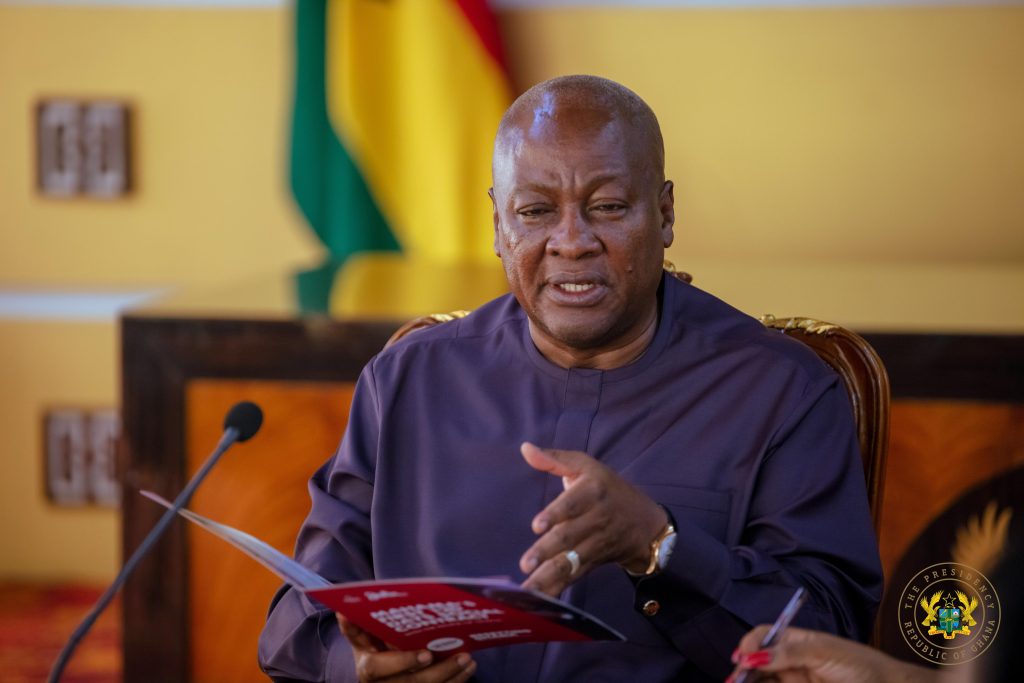
On September 11, Ghanaian President John Mahama announced that his country had agreed to accept West African nationals at Washington’s request. This agreement came amid tensions with Washington, as the US administration increased tariffs on Ghanaian products and restricted the number of visas.
Uproar in Parliament
After the arrival of the first group of 14 deportees in Ghana, authorities initially stated that they would be allowed to remain in the country temporarily, in accordance with regional visa-free travel rules, or to return home. The announcement sparked an outcry, with the opposition claiming the agreement had been reached without the knowledge of parliament.
Adding to the confusion, authorities had claimed that all 14 had returned home. However, only three had returned to their home countries, compared to 11 who remained in Ghana, Barker-Vormawor said.
Forty more US deportees are expected in the coming days, Ghanaian Foreign Minister Samuel Okudzeto Ablakwa announced on September 18. He maintained that Ghana’s decision to accept the deportees was based on humanitarian considerations and did not constitute an “endorsement” of US immigration policy .