
Trending Now





Top Stories

Shock call-up for Ivan Toney, no room for Maguire, Palmer and...
Shock call-up for Ivan Toney, no room for Maguire, On Friday, May 22, 2026, England manager Thomas Tuchel announced his 26-man World Cup squad from Wembley...




Tech




Business

Real estate in Dubai may lose up to 70% of its...
The real estate market index has already fallen by 20%, wiping out all price increases from 2025.
Potential buyers are unwilling to invest in assets...
Finance
CBK Governor Assures Kenyans Shilling Will Stay Stable, Dismisses KSh150 Exchange...
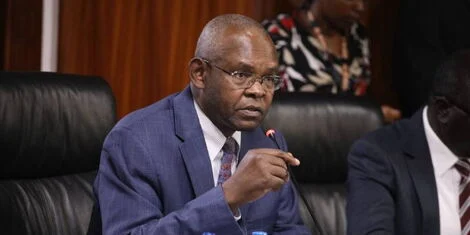
CBK Governor Kamau Thugge says the Kenyan shilling is expected to remain stable in 2026, backed by strong forex reserves, remittances, and a healthy...


EVEN MORE NEWS

![Chelsea head coach Enzo Maresca defended his decision to make sweeping changes to his side after a disappointing 2-2 draw with Qarabag in the Champions League. The Blues looked on course for a routine win when teenage forward Estevao opened the scoring early in Baku. But the night unravelled quickly as Qarabag hit back through Leandro Andrade and Marko Jankovic to take a shock 2-1 lead into half-time. Alejandro Garnacho spared Chelsea from an embarrassing defeat with a second-half equaliser, but the performance left Maresca facing familiar questions about his team selection. The Italian made seven changes from the side that beat Tottenham at the weekend, opting to rest several regular starters, including Moises Caicedo, Enzo Fernandez, and Malo Gusto. “The intention [of the changes] is always because we think the plan with the players is the correct one,” Maresca said. “We started the right way, scored the goal, but then we conceded two — the first one when they had 10 players. We can avoid both goals.” Maresca admitted Chelsea’s biggest issue was their lack of sharpness in front of goal, with only four of their 16 shots on target. “In their box, we need to be more clinical,” he added. “Every game is a chance for the players to show why they are here.” It was a night to forget for defender Jorrel Hato, who misjudged a long ball to allow Qarabag’s equaliser and then conceded a penalty that Jankovic converted. Maresca refused to single him out but noted the defensive lapses were avoidable. Chelsea have now failed to win either of their first two away games in this season’s Champions League and have conceded at least twice in three of their last four matches.](https://newsaih.com/wp-content/uploads/2025/11/Screenshot_6-11-2025_3434_x.com_-341x220.jpeg "Maresca Defends Squad Rotation After Chelsea Held to 2-2 Draw by Qarabag")