
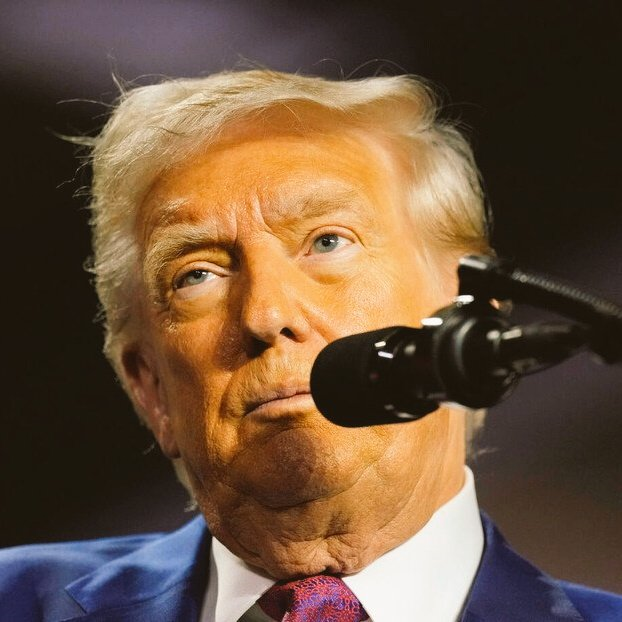
Trump: U.S. to Enforce 30% Tariff on South Africa
Trump: U.S. to Impose 30% Tariff on South Africa; 40% Tariff on Laos and Myanmar
South Africa has formally requested an extension from the United States regarding a significant tariff deadline, as both countries navigate sensitive discussions about their trade relationship.
This appeal arises in the context of deteriorating diplomatic ties between Pretoria and Washington, which have been strained since President Donald Trump’s inauguration in January 2025.
A 31% tariff is scheduled to take effect on South African exports to U.S. markets beginning July 9.
This substantial increase is part of a broader set of “reciprocal tariffs” introduced by the Trump administration in April, aimed at addressing what the U.S. government has characterized as unfair trade practices by other nations, which it claims exploit the American market to the detriment of U.S. workers and industries.
To aid negotiations with affected countries, including South Africa, the Trump administration has implemented a 90-day suspension of these tariffs. The impending July 9 deadline marks the end of this grace period, increasing pressure on Pretoria to reach an agreement that would protect its exports from the forthcoming tariff hike.
On July 1, the South African Department of Trade, Industry and Competition (DTIC) made its official request for an extension of the tariff deadline to U.S. officials. The aim is to secure additional time to finalize a trade agreement within a newly proposed framework that considers the interests of both nations.
In its announcement, the DTIC emphasized the need for a pragmatic approach. Pretoria is reportedly seeking to limit the maximum tariff to 10% as a worst-case scenario, a significant reduction from the initially suggested 31%. This concession demonstrates South Africa’s willingness to compromise in order to maintain crucial access to the U.S. market.
South African representatives have also underscored the necessity of exempting key export sectors from tariff increases. These sectors include vehicles and auto parts, as well as the steel and aluminum industries, which are vital to South Africa’s economy and export profile.
These negotiations follow a meeting in May between South African President Cyril Ramaphosa and President Donald Trump at the White House, where Ramaphosa presented a proposed trade framework aimed at enhancing bilateral trade and investment relations, thereby fostering economic collaboration between the two countries.
However, the discussions have been complicated by tensions stemming from allegations of “genocide” against white farmers in South Africa, claims made by certain U.S. politicians and media figures. Trump addressed this issue with Ramaphosa during their meeting, further straining diplomatic relations. Subsequently, the U.S. administration suspended all federal funding to South Africa and expelled its ambassador to Washington, citing the ambassador’s “anti-American” sentiments.
Despite these political challenges, Pretoria remains committed to dialogue and economic collaboration. As part of its trade negotiations, South Africa has proposed increasing imports of liquefied natural gas (LNG) from the U.S., presenting a new export opportunity for Washington.
The potential imposition of tariffs has raised alarms within South Africa’s domestic economy. The country is the largest beneficiary of the U.S. African Growth and Opportunity Act (AGOA), a trade initiative that provides eligible sub-Saharan African nations with duty-free access to the U.S. market. Any disruption to this access could have significant repercussions for South Africa’s export sectors.
According to Reuters, one of the most vulnerable sectors is the citrus industry, a crucial component of South Africa’s agricultural exports. Industry representatives warn that the introduction of tariffs could result in the loss of up to 35,000 jobs in this sector alone, exacerbating unemployment and economic challenges in the country.
Trade Minister Parks Tau has urged industries to exercise “strategic patience,” warning against hasty decisions that could jeopardize long-term prospects. He emphasized that the government would leverage all diplomatic and economic avenues to safeguard South Africa’s interests in the U.S. market.
The tariff dispute underscores broader challenges in U.S.-Africa trade relations. Since the Trump administration took office, U.S. policy towards Africa has shifted to a more transactional approach, moving away from multilateral frameworks and aid. The introduction of tariffs indicates a shift towards protectionism and a more aggressive negotiating stance.
For South Africa, these tariffs threaten a critical economic relationship.
The U.S. is South Africa’s second-largest bilateral trading partner after China, making the stakes particularly high. Many in Pretoria view the tariffs as punitive measures that could impede shared prosperity and regional economic integration.
South African officials argue that the tariffs not only restrict trade but also send a negative political signal, potentially affecting cooperation on other issues, including security and development.
The request for an extension provides a brief opportunity for both governments to arrive at a mutually beneficial solution.
Analysts suggest that a potential agreement could involve phased tariff reductions or exemptions on sensitive products, balanced by South Africa’s commitments to import U.S. goods such as LNG.
President Ramaphosa’s diplomatic efforts highlight Pretoria’s intention to maintain strong trade relations with the U.S. despite the challenges. The trade discussions also serve as a test of the U.S. government’s ability to balance domestic protectionist pressures with the need for constructive international partnerships.
For South Africa, avoiding the 31% tariff increase is vital for protecting export-driven employment and sustaining economic growth. Successful negotiations would reaffirm the importance of diplomacy in resolving economic disputes and achieving mutually advantageous agreements.
As the July 9 deadline approaches, South Africa’s request for an extension reflects the country’s commitment to resolving trade conflicts through negotiation rather than confrontation.
The outcomes of these discussions will have significant implications not only for bilateral trade but also for the broader U.S.-Africa economic relationship.
The stakes are high for both parties. For Pretoria, safeguarding its exports and industries is crucial for economic stability and job retention.
For Washington, ensuring fair trade practices while maintaining strong relationships with key African partners presents a delicate balancing act in a complex geopolitical environment.
Ultimately, the coming weeks will determine whether diplomacy can prevail over protectionism and whether South Africa and the U.S. can forge a trade agreement that promotes growth, job creation, and shared prosperity.