




Five members of Grupo Fugitivo were found dead days after going missing en route to a private event
The tragic story of Grupo Fugitivo has shaken the city of Reynosa. Five musicians from the well-known regional band were found dead on the outskirts of the city after disappearing on their way to perform at what turned out to be a fake event. Their bodies were discovered days later, ending the search that had sparked public outcry.
Relatives say the band left for a supposed private party on Sunday night but found an empty field instead. After they failed to return home, families began receiving ransom messages, raising fears that the group had been abducted. This led to citywide protests, with angry residents demanding answers and justice.
Tamaulipas state prosecutor Irving Barrios confirmed the grim discovery on Thursday. He said the men had been tracked through phone signals and surveillance footage before their bodies were finally located. The victims, aged between 20 and 40, were reportedly travelling in an SUV when they were kidnapped around 10 p.m. Although the cause of death was not officially stated, local reports claim the bodies were burned—an allegation that has not been denied by the authorities.
Gulf Cartel Link, Growing Risk for Mexican Artists
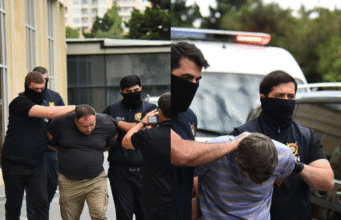
Investigators arrested nine individuals believed to be part of the Gulf Cartel, who are suspected of being behind the killings. During the arrests, police also seized nine guns and two vehicles linked to the suspects. Prosecutor Barrios said the suspects were part of a known criminal group operating in the area.
The killings have once again exposed the dangers faced by artists working in cartel-dominated regions. Grupo Fugitivo, like many local bands, performed at social events and dances, never known for any involvement in crime. Whether they were targeted for their music or were simply victims of criminal chaos remains unclear.
Violence against musicians is not new in Mexico. In past years, artists like Kombo Kolombia and Los Norteños de Río Bravo have faced similar fates. Many believe that the rise of narcocorridos—songs that tell stories of drug lords—has made performers easy targets, especially when rival cartels suspect them of being aligned with competitors.
In response, the government has started pushing back. President Claudia Sheinbaum launched a campaign encouraging musicians to avoid glorifying crime. Some states have banned certain songs, although enforcement remains a challenge. In one incident, a riot broke out after a performer refused to skip banned tracks.
The story of Grupo Fugitivo adds to Mexico’s painful statistics: over 480,000 killed and 120,000 missing due to cartel violence since 2006. As mourning continues in Reynosa, their deaths serve as a heartbreaking reminder of how culture and crime dangerously overlap in parts of the country.