
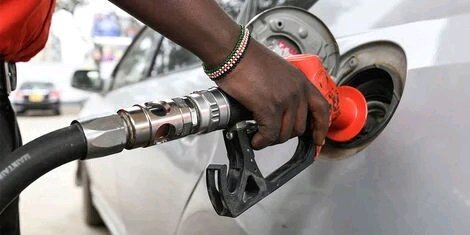
Energy and Petroleum Regulatory Authority has reduced fuel prices for February–March 2026, offering Kenyan motorists immediate relief at the pump. Super Petrol, Diesel, and Kerosene have all dropped, potentially lowering transport and operating costs though experts warn the savings may be modest and temporary.
Kenyans will pay less for fuel following the latest monthly review by the Energy and Petroleum Regulatory Authority (EPRA).
The regulator announced fresh pump prices effective February to March 2026, cutting the cost of Super Petrol, Diesel, and Kerosene in a move expected to ease pressure on households and businesses.
Under the new EPRA fuel price schedule, Super Petrol now retails at KSh 178.25 per litre, reflecting a KSh 4.24 decrease. Diesel drops to KSh 166.54, down KSh 3.93, while Kerosene falls to KSh 152.80, a KSh 1.00 reduction.
For everyday drivers, matatu operators, boda boda riders, and logistics companies, the price adjustment translates into real savings.
A motorist refueling a 40-litre petrol tank could now save more than KSh 160 per fill, providing short-term financial relief amid high living costs.
Why Fuel Prices Dropped
EPRA determines Kenya’s monthly fuel prices using a formula that considers:
- Global crude oil market trends
- Exchange rate movements
- Import and distribution costs
- Government taxes and levies
The February–March price cut reflects easing international oil prices. However, energy analysts caution that global volatility means fuel costs can quickly reverse if market conditions change.
Impact on Transport and Consumer Prices
Fuel remains a key driver of Kenya’s transport and supply chain economy. Lower pump prices could reduce operating costs for public transport and goods delivery.
Still, experts warn that fare reductions and commodity price adjustments may not happen immediately due to accumulated operational expenses.
Economists also emphasize Kenya’s vulnerability to global fuel markets because the country relies heavily on imports.
Long-term stability, they say, depends on investing in alternative energy sources, efficient public transport systems, and reduced fuel dependency.
Motorists React
Drivers across major towns welcomed the announcement with cautious optimism.
Many hope transport operators will reflect the lower fuel costs in fares, easing daily commuting expenses.
As Kenyans monitor the new EPRA fuel prices, attention now turns to whether the relief will ripple through the broader economy or remain limited to the pump.