The United States has officially withdrawn from the World Health Organisation. The decision follows long-running disputes over COVID-19 handling and reforms
The United States has completed its exit from the World Health Organisation, bringing to a close nearly eight decades of cooperation. The move, which took effect this week, ends America’s role as the agency’s biggest funder and one of its most powerful voices in global health matters.
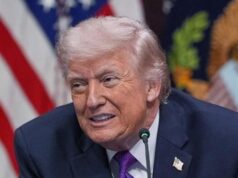
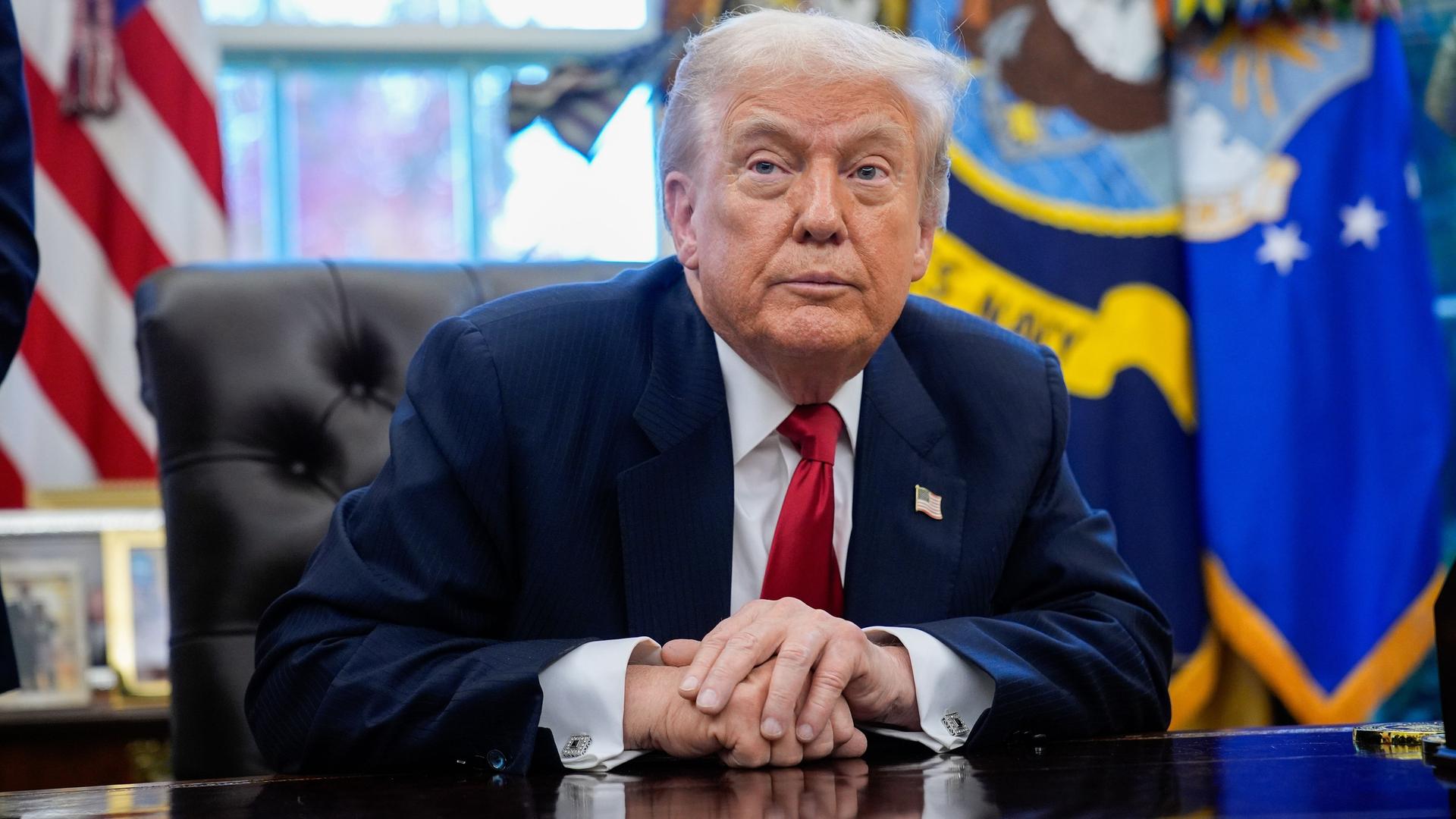
The decision was made under President Donald Trump’s administration, which pushed ahead with the withdrawal after months of criticism directed at the UN health agency.
US officials said the step was necessary to protect taxpayers and demand accountability. They accused the WHO of poor leadership during the COVID-19 crisis, failing to reform its systems, and allowing politics to interfere with health decisions.
According to the White House, repeated calls for change went unanswered, leading the US to begin the exit process last year.
The United States was among the original members when the WHO was formed in 1948. Over the years, it helped shape disease tracking, vaccine programmes, and emergency responses across the world.
American funding ran into hundreds of millions of dollars every year, far above that of most other countries. However, relations sharply worsened during the pandemic, with US leaders accusing the agency of delayed alerts and being too soft on China despite limited information at the time.
The World Health Organisation responded with strong disappointment. Director-General Dr Tedros Adhanom Ghebreyesus warned that losing US support would weaken efforts to handle future health threats.
He said the world is already facing many dangers, including pandemics, malaria, polio and illnesses linked to climate change. According to WHO officials, staff cuts and reduced programmes have already begun, especially in poorer and conflict-hit regions.
Public health specialists have criticised the US decision, saying it could damage global disease monitoring and delay action when new outbreaks appear.
Dr Ronald Nahass, head of the Infectious Diseases Society of America, said pulling out limits access to key health data and coordination tools. He warned that diseases do not stop at borders, making shared systems vital.
Others say the move could weaken flu tracking used for vaccine planning and slow efforts to wipe out diseases like measles and polio.
Analysts believe the US exit could change the balance of power in global health leadership. Some expect countries like China to gain more influence within the WHO.
Western officials worry that without US pressure, transparency standards may drop. Others fear the agency could lean more toward states with weaker democratic systems.
Health leaders in Africa and other developing areas say reduced WHO funding could affect vaccination drives, outbreak response, and health system support.
The Africa Centres for Disease Control and Prevention noted the need for stronger local funding but stressed that global teamwork remains critical.
The US government says it will still take part in global health work through other channels. These include direct country partnerships, the CDC, the NIH, and cooperation with private groups.
However, critics argue that no other body matches the WHO’s global reach and ability to coordinate across borders.
As the world faces rising threats from new diseases, drug resistance and climate-linked illnesses, many experts fear the system is now more divided.
Whether the US moves forces, reforms or weakens global health efforts at a risky time is a question that may take years to answer.