
Trump’s Extensive Tax Cut and Spending Bill
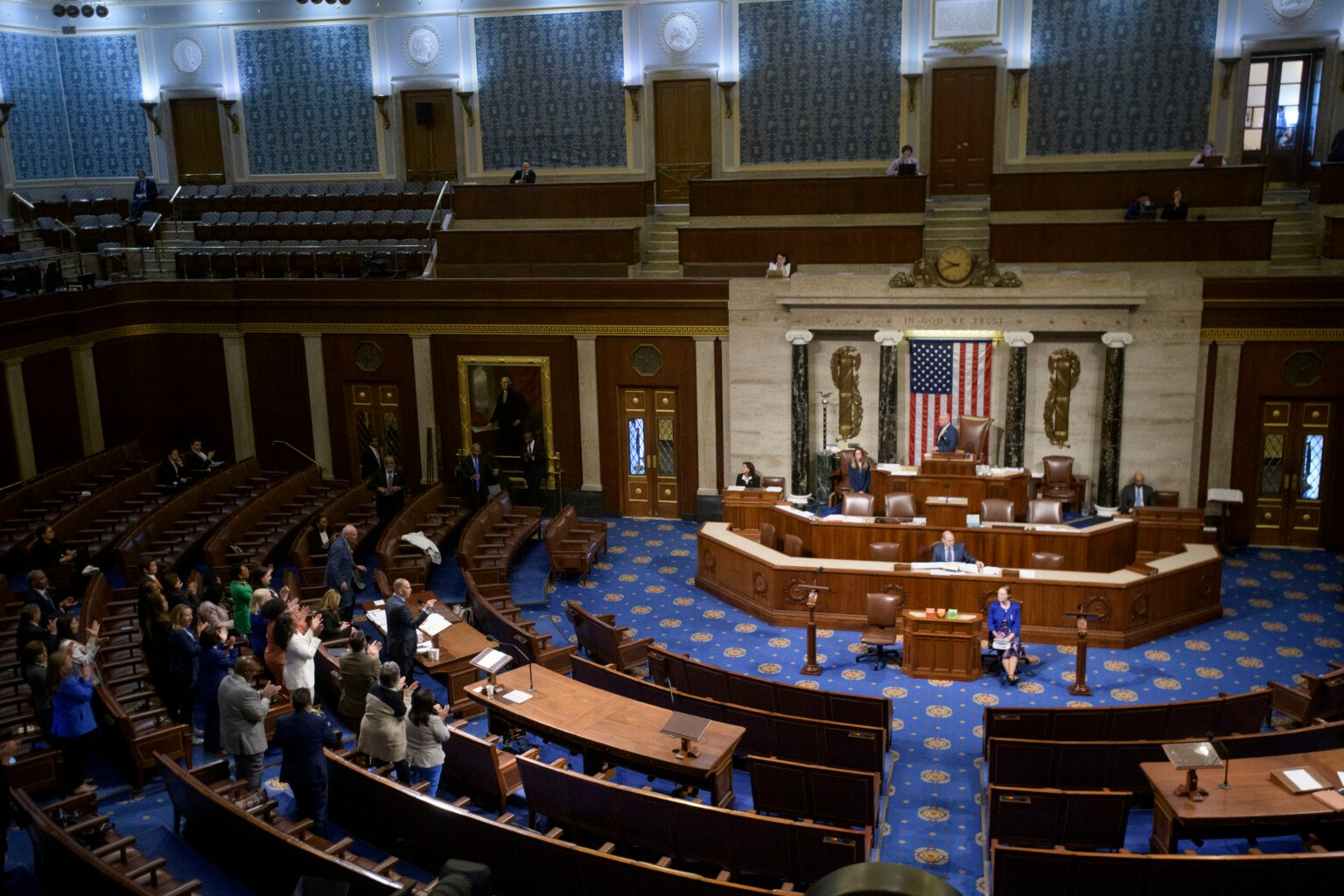
On Thursday, President Donald Trump’s tax cut plan successfully overcame its last legislative hurdle in the U.S. Congress, with the Republican-controlled House of Representatives narrowly approving the comprehensive bill before forwarding it to him for signing.
The 218-214 vote marks a significant victory for the Republican president, enabling funding for his immigration enforcement initiatives, making his 2017 tax cuts permanent, and introducing new tax incentives pledged during his 2024 campaign.
Nonetheless, the bill also includes cuts to health and food safety programs and abolishes several green energy subsidies. The nonpartisan Congressional Budget Office estimates that it will raise the national debt by $3.4 trillion, bringing it to a total of $36.2 trillion.
Despite concerns about the financial repercussions of this 869-page legislation and its potential effects on healthcare services, Republicans largely supported it, with only two out of 220 GOP members voting against it. The legislation had previously passed through a Republican-majority Senate by a slim margin.
Republicans claim that this measure will lower taxes for Americans across various income brackets and promote economic growth.
Virginia Foxx, a Republican Representative from North Carolina, described the bill as providing “historic tax relief for working families,” while also highlighting critical investments aimed at securing national borders and improving government efficiency by cutting waste and fraud.
In contrast, every Democrat in Congress opposed the proposal, criticizing it as primarily benefiting wealthy individuals while potentially leaving millions without insurance coverage.
House Democratic Leader Hakeem Jeffries voiced opposition during an extensive speech lasting eight hours and 46 minutes—the longest in congressional history—arguing that “the focus of this bill is to provide massive tax breaks for billionaires at the expense of everyday Americans.”
During this process, Trump exerted pressure on legislators through persuasion and threats, urging them to complete the legislation before the July 4 Independence Day holiday.
“FOR REPUBLICANS, THIS SHOULD BE AN EASY YES VOTE. RIDICULOUS!!!” he posted on social media.
**RUSH TO MEET DEADLINE**
In light of Trump’s timeline, Republicans rushed to finalize details over the preceding weekend while engaging in overnight debates within both chambers. The Senate approved the measure on Tuesday with a narrow 51-50 vote that required Vice President JD Vance to cast a decisive tiebreaker vote.
According to CBO projections, this legislation is expected to decrease tax revenues by $4.5 trillion over ten years while concurrently reducing spending by $1.1 trillion.
Most spending cuts will target Medicaid—the health program serving roughly 71 million low-income individuals—by tightening enrollment standards, imposing work requirements, and limiting state-level funding mechanisms intended to boost federal contributions; these actions are predicted to leave nearly 12 million people uninsured according to CBO analysis. To alleviate concerns regarding adverse impacts on rural health providers due to these reductions, Republicans allocated an additional $50 billion specifically for them.
Nonpartisan assessments indicate that high-income earners would benefit significantly from this legislation while lower-income groups might see declines in their net incomes due to reductions in safety-net programs overshadowing their tax reliefs.
Analysts suggest that the increased debt resulting from this bill would effectively transfer financial burdens from younger generations onto older ones. Moody’s rating agency downgraded U.S. debt earlier in May due to escalating debt levels; some foreign investors have expressed worries about reduced attractiveness in U.S. Treasury bonds following approval of this legislation.
On a brighter note, this bill prevents upcoming tax increases scheduled for most Americans at year-end when Trump’s previous individual and business tax cuts were set to expire; those cuts are now made permanent along with expanded benefits for parents and businesses.
Additionally, new tax incentives targeted at tipped income employees, overtime workers, seniors, and auto loans were established within this framework—fulfilling commitments made by Trump during his campaign.
The final version of this legislation incorporates more substantial tax reductions alongside aggressive healthcare cutbacks compared to an earlier iteration passed by House members in May.
During Senate deliberations leading up to passage of this bill, Republicans also eliminated provisions designed to restrict state-level regulations concerning artificial intelligence as well as a “retaliatory tax” placed on foreign investments—a move that had raised concerns among Wall Street stakeholders.