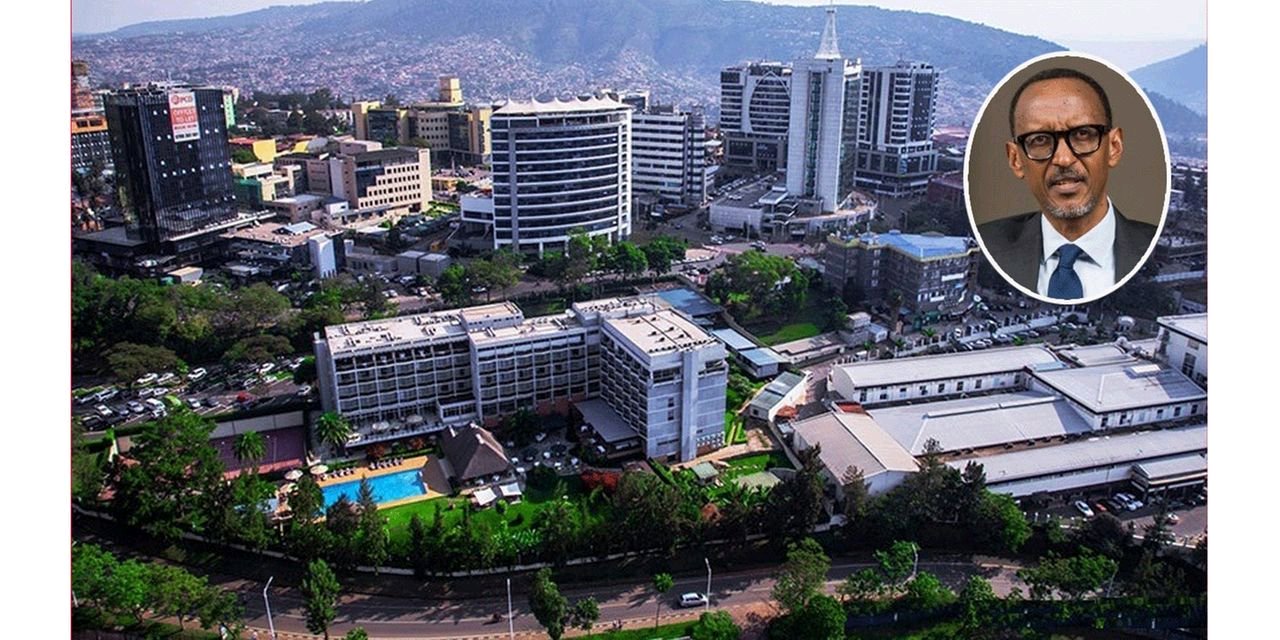
Rwanda has triggered a nationwide debate after shutting down more than 6,000 churches and mosques as part of sweeping reforms aimed at regulating religious institutions.
The government now requires religious leaders to hold accredited theology qualifications, a move officials say is meant to professionalise faith leadership and protect worshippers.
Authorities argue that the rapid growth of informal ministries has created gaps in accountability, with some groups allegedly exploiting followers.
A government spokesperson stated that the reform is designed to ensure religious leaders are properly trained, ethical, and capable of guiding congregations responsibly.
According to officials, the crackdown is not an attack on religion but an effort to raise standards across the sector.
They maintain that structured oversight will help prevent misconduct while strengthening trust between religious institutions and the public.
However, the decision has drawn criticism from rights advocates and faith communities who view it as a heavy-handed expansion of state control.
Some religious leaders say congregations were forced to close with little notice, leaving thousands of worshippers uncertain about where they can gather.
Critics warn that tying religious leadership to formal academic certification could sideline grassroots pastors and imams who rely on community-based teaching rather than institutional education.
They argue that the policy risks limiting religious expression in a country already known for strict governance.
Supporters of the reform counter that faith leaders wield enormous influence and should meet professional standards similar to other sectors that affect public welfare.
They believe the changes could curb misinformation, financial abuse, and unsafe worship environments.
The closures have sparked intense discussion across Rwanda, exposing the delicate balance between government oversight and freedom of worship.
Analysts say the outcome could influence how other African nations approach regulation of rapidly expanding religious movements.
As enforcement continues, many communities are watching closely to see whether the reforms will stabilise religious practice or deepen tensions over faith and state authority.