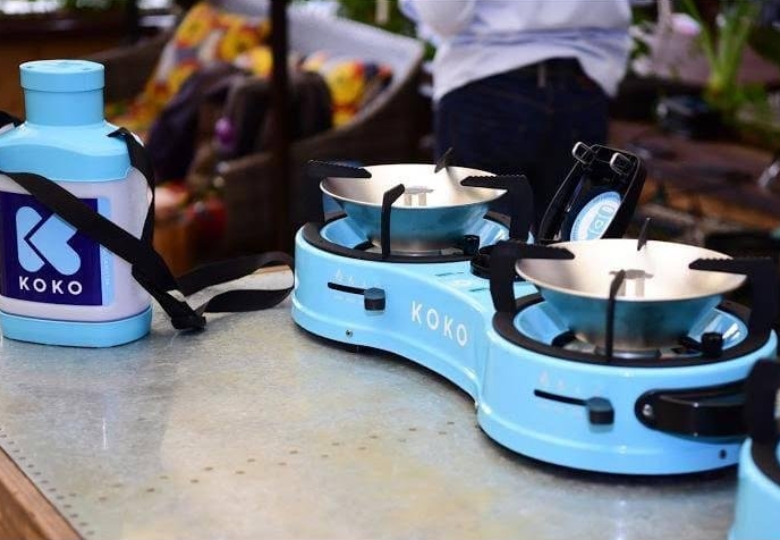
KOKO refill stations in Nairobi have gone dry, leaving households and street vendors without fuel. Women in informal settlements are trekking long distances searching for open refill points.
A sudden disruption in KOKO fuel supply has thrown Nairobi’s informal settlements into chaos.
Thousands of low-income households have found refill points closed without any warning, leaving them searching for gel fuel that has become almost impossible to find.
Across Kibera, Mathare, Mukuru, Dandora and other areas, residents report walking kilometres carrying empty canisters.
Street food vendors say their businesses have suffered, with some reducing production by half.
Many now return to charcoal, which is more expensive and produces smoke that affects their health.
Since 2017, KOKO Networks has built a strong presence in Nairobi’s slums with over 780,000 users nationwide.
The smart refill system gave families a cleaner, cheaper alternative to firewood and LPG, and was praised for improving health and reducing indoor pollution.
Industry sources say the shortage did not appear suddenly.
Global ethanol prices have risen sharply following poor harvests in Brazil.
Kenya’s ongoing foreign exchange shortages have made imports harder, affecting companies that rely heavily on imported bioethanol.
A source within EPRA says recent checks found delays in vessel clearance at the port of Mombasa.
The shortage, they noted, is not isolated to KOKO, but KOKO’s heavy presence in urban slums makes its absence more disruptive.
Some long-term KOKO users believe the company has diverted attention to new ventures such as carbon credit projects and rural electrification.
They argue that urban refill networks have been neglected, pointing to padlocked stations across estates that were once busy.
The crisis has created a black market, with unregulated fuel sold from informal depots at higher prices.
Health experts warn that unsafe mixtures may expose families to fire risks and harmful fumes.