Kiharu MP Ndindi Nyoro wants the government to stop the planned sale of a 15% Safaricom stake to Vodacom. He says the transaction is rushed, secretive, and may undervalue public assets.
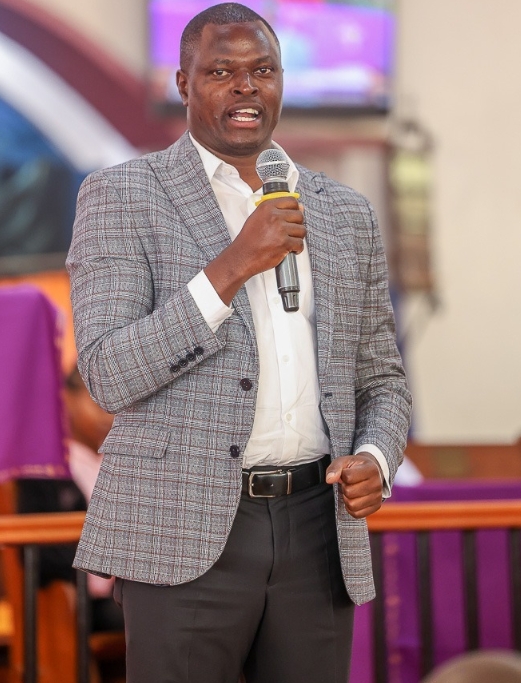
Kiharu MP Ndindi Nyoro has criticised the government’s plan to sell a 15 per cent stake in Safaricom to South Africa’s Vodacom Group. Speaking during a church service at ACK St James and All Martyrs Cathedral in Murang’a, he said the process appears rushed and could deny Kenyans full value for public assets.
“The people who represented the government in this deal might not be government employees, or maybe they have deals with the buyers.”
— Ndindi Nyoro
Nyoro told the congregation that the deal should be open to competitive bidding to ensure Kenyans benefit from the best possible price. He questioned why the negotiations were kept confidential.
“Let us not rush to sell Safaricom shares. Let us open it to competitive bidding so that Kenyans can get value for money. If there is no personal interest in this case, then why the secrecy?”
Ndindi Nyoro
The MP linked the transaction to political interests ahead of the 2027 elections and promised to oppose the sale.
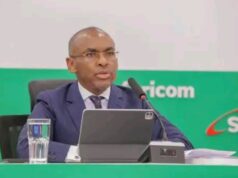
Treasury Cabinet Secretary John Mbadi dismissed the criticism, saying the government secured a strong premium from Vodacom. On December 4, the state announced it would sell 6,009,814,200 ordinary shares equivalent to 15 per cent of Safaricom at KSh34 per share, raising KSh244.5 billion.
Mbadi said the valuation relied on market data, noting that Safaricom traded at KSh28 per share on the Nairobi Securities Exchange on the same day.
“We are getting KSh34 per share; I do not know how you can negotiate better than that.”
— John Mbadi
According to the CS, using competitive bidding on the open market would likely push the price down because the market cannot absorb such a large block of shares at once. He also clarified that the state is only reducing its shareholding, not selling the company.
Vodacom currently holds 40 per cent of Safaricom through Vodafone and expressed readiness to buy more shares at a higher price. Mbadi said the company is willing to pay a premium due to its long-term involvement in Safaricom and its capacity to manage larger risks.
The sale will reduce Kenya’s stake from 35 per cent to 20 per cent, while strengthening Vodacom’s control with a combined 55 per cent shareholding once the transaction is finalised.