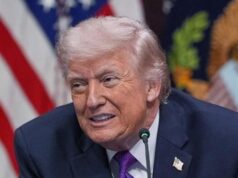

Dadaab MP Farah Maalim has sparked debate after issuing a stern warning to former U.S. President Donald Trump, cautioning against any move that could be interpreted as targeting or “capturing” President William Ruto.
In remarks that have since drawn widespread attention, Maalim invoked the 1993 Battle of Mogadishu, a painful chapter in U.S. military history, to emphasize the risks associated with foreign interference in the leadership of sovereign nations.
His statement appeared more symbolic than literal, framed as a defence of Kenya’s independence and African self-rule.
Maalim’s comments come amid growing global conversations around how powerful nations deal with political leaders accused of misconduct, particularly in developing regions. While there is no indication of any real or immediate threat against President Ruto, the MP’s remarks reflect unease among some African leaders about what they see as selective enforcement of international justice.
By referencing Mogadishu, Maalim tapped into a moment that significantly shaped U.S. foreign policy in Africa. The failed mission in Somalia left lasting scars and is often cited as a reminder of how military or coercive interventions can spiral beyond their original intentions.
Supporters of Maalim argue that his warning was less about Trump personally and more about asserting Kenya’s sovereignty at a time when global pressure on African states appears to be increasing. They say strong language is sometimes necessary to remind global powers that African countries are not passive players on the world stage.
However, critics caution that such rhetoric could unnecessarily escalate tensions and risk straining diplomatic relations with key international partners, especially the United States.
Maalim’s remarks have reignited an ongoing debate about the balance between national sovereignty and global accountability a discussion that continues to shape international politics in a rapidly changing world.
As geopolitical alignments shift, his message resonates with a growing sentiment across the Global South: history is remembered, and autonomy remains non-negotiable.