Guinea-Bissau holds close vote, Embalo seeks rare second term
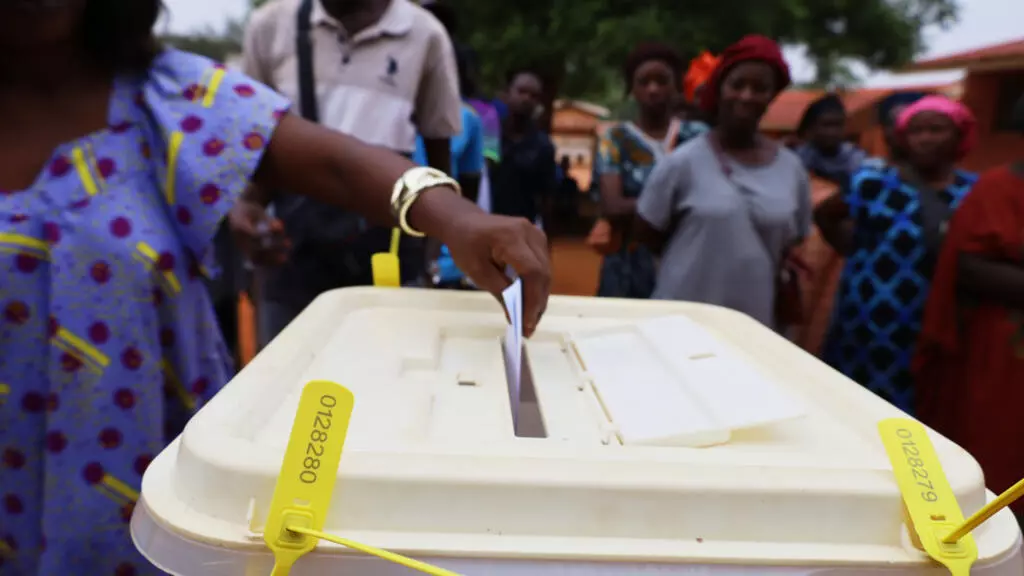
- On Sunday, November 23, 2025, Guinea-Bissau held concurrent presidential and legislative elections with President Umaro Sissoco Embalo seeking a second term.
- With the main opposition barred, the African Party for the Independence of Guinea and Cape Verde and Domingos Simões Pereira were excluded after authorities said they missed filing deadlines, while opponents say Embalo’s term should have ended on Feb. 27, as the Supreme Court ruled.
- Some 900,000 voters are registered, Embalo faced 11 challengers including Fernando Dias, and polls ran from 0700 GMT to 1700 GMT.
- If no candidate crosses more than 50%, a runoff will be held, and provisional results are expected within 48 hours as observers warn of post-poll stability risks.
- Guinea-Bissau’s history of coups and cocaine trafficking concerns complicate governance in the 2.2 million inhabitants nation, where Umaro Sissoco Embalo could become the first incumbent re-elected in three decades.
Polls opened in Guinea-Bissau on Sunday for pivotal presidential and legislative elections, with President Umaro Sissoco Embalo seeking to become the first leader in nearly 30 years to secure a second consecutive term in the coup-prone West African nation.
Embalo faces 11 challengers, including his main rival, Fernando Dias — a relative newcomer backed by the African Party for the Independence of Guinea and Cape Verde (PAIGC), the historic movement that led the country’s struggle for independence from Portugal. PAIGC was barred from fielding its own candidate this year after authorities said it missed the filing deadline.
Analysts expect a tight contest between Embalo and Dias. If no candidate crosses 50%, the race will go to a runoff. Embalo, wearing his trademark red keffiyeh, cast his ballot in the eastern city of Gabu and voiced confidence about his chances.
“I call on everyone to vote massively, to elect the person who will bring stability and progress to Guinea-Bissau, to build this country,” he said.
A nation shaped by coups — and a booming cocaine trade
Since gaining independence in 1974, Guinea-Bissau has experienced at least nine coups before Embalo took office in 2020. Embalo claims he has survived three additional attempts since then, though critics accuse him of exaggerating or engineering political crises to justify crackdowns — allegations he rejects.
Embalo has campaigned on a promise of stability, infrastructure development, and wider access to clean water. But opposition groups have questioned the legitimacy of his presidency this year, arguing that his mandate expired in February.
Dias, meanwhile, has accused the president of seeking to weaken democratic institutions and centralise power if re-elected. In an interview with Reuters ahead of the vote, he criticised Embalo for failing to curb the country’s entrenched cocaine trafficking networks.
Voters themselves appeared split as the campaigns wrapped up on Friday. Tailor Saico Cande expressed hope that Embalo would resolve Guinea-Bissau’s security and food crises. But businesswoman Berta da Goya said she remained uneasy about Embalo’s dissolution of parliament after what the government described as a coup attempt in late 2023.
Polls are scheduled to close at 1700 GMT, with provisional results expected within 48 hours.