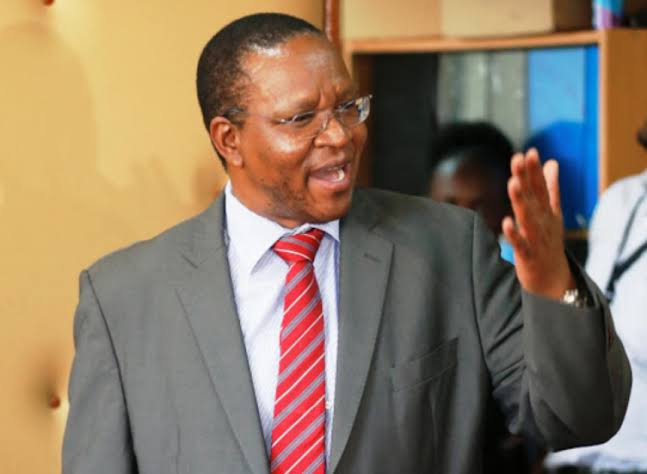
Former Interior Principal Secretary Karanja Kibicho has broken his silence on Kenya’s election management controversies, strongly defending his conduct during previous general elections and addressing long-standing public speculation.
Speaking amid renewed debate over electoral integrity, Kibicho dismissed claims that senior state officials should influence election outcomes for the sake of political stability.
According to him, the role of public servants is clear to uphold the Constitution, protect institutions, and respect the sovereign will of Kenyans, regardless of who wins or loses.
His remarks come as discussions intensify over the neutrality of state agencies during highly competitive elections.
Kibicho questioned why some critics believe government officials should tilt the playing field in favor of certain candidates to ensure “smooth governance,” insisting that such actions would undermine democracy.
He emphasized that credible elections depend on institutions resisting both political pressure and public intimidation.
“The stability of a country cannot be built on manipulated outcomes,” he noted, arguing that long-term peace is rooted in transparency and adherence to the rule of law.
The former PS also referenced the leadership of former President Uhuru Kenyatta and opposition leader Raila Odinga, stating that both leaders respected institutional independence during tense electoral periods.
He credited them for allowing constitutional bodies and security agencies to operate without unlawful directives to alter results.
Political analysts say Kibicho’s statement revives critical conversations about electoral integrity, state neutrality, and the independence of security and administrative agencies.
With Kenya preparing for future polls, concerns over public trust in elections remain central to the country’s democratic progress.
His comments have now reignited national debate on whether Kenya’s institutions are strong enough to withstand political pressure and what reforms are still needed to safeguard the credibility of future elections.
As the country looks ahead, the spotlight remains firmly on transparency, accountability, and protecting the will of the people.