
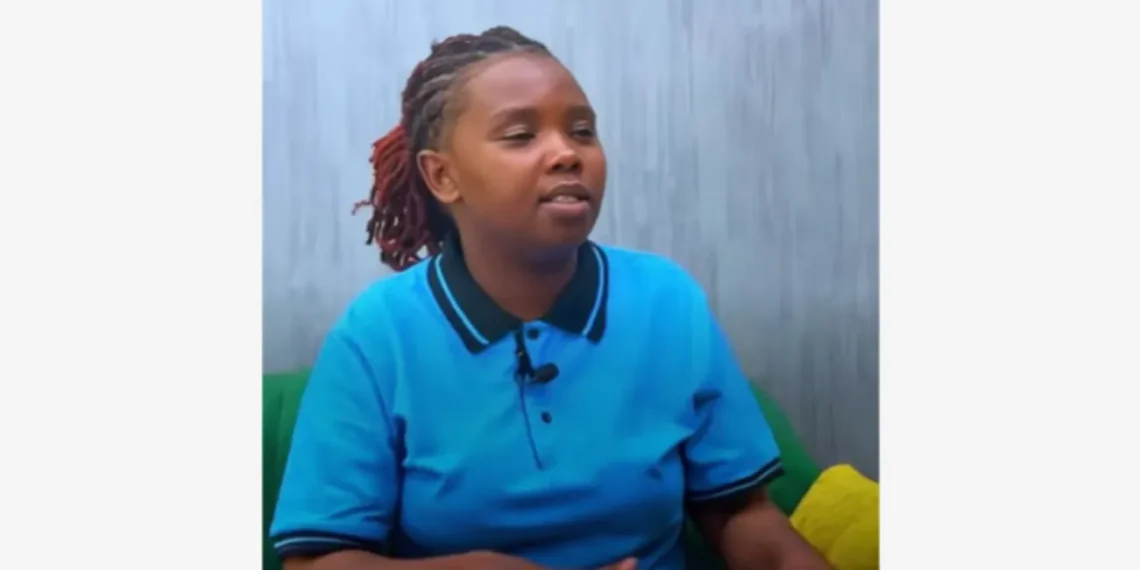
Wanja says her marriage changed soon after the wedding. She faced disrespect, mistrust and lack of support from her partner and his family.
Beth Wanja hoped her marriage would bring peace and love. She tied the knot in Kilifi with high expectations and believed she had found a stable partner in Amos, the son of a respected church leader. The ceremony was joyful, and everyone wished them well. But the beautiful beginning did not last long.
Within a short period, Wanja started noticing changes. She began seeing things that made her uncomfortable, and the early signs of trouble slowly appeared in her new home.
One of the first moments that raised questions for Wanja was discovering items in her husband’s belongings that did not make sense to her. When she asked about them, the answers felt incomplete. This confusion pushed her to ask more questions, but instead of clarity, she says she met resistance.
Tension grew stronger when family members began treating her differently. Words were exchanged, and she felt judged and unwelcome. She says the church community also started speaking in ways that made her feel targeted and misunderstood.
Wanja became pregnant, and she hoped it would bring unity. Instead, she says her health concerns were ignored. She experienced pain and pleaded for medical attention, but her worries were dismissed as normal pregnancy discomfort.
Her husband remained silent, and she felt alone. The situation worsened when she lost the pregnancy. She later suffered another miscarriage, both without quick medical attention. Doctors later explained she had complications that needed treatment.
These losses broke her emotionally, and she struggled to understand why no one supported her at such a difficult time.
After the heartbreak, Wanja expected her husband to stand by her. Instead, she says she discovered he had reconnected with someone from his past and was also involved with a friend she trusted. The news shocked her deeply because they were still married when it happened.
The friend later informed her that she had already married Amos, leaving Wanja feeling betrayed from all sides.
The pressure in the marriage grew heavier, and Wanja felt she could not stay any longer. She left and moved in with relatives who offered her support. There, she began attending therapy and slowly regained her emotional balance.
She now works with an organisation that supports women and focuses on rebuilding her life. She says her faith remains strong, but believes people around her failed her when she needed them most.
Wanja’s story has encouraged many conversations online about marriage, family pressure and support systems. Counselling experts say her experience shows why couples need transparency, emotional openness and proper health care.
Wanja says her journey taught her many lessons. She believes sharing her story can help others facing similar challenges.
“I went through a lot, but I am choosing to heal and speak for myself,” she says.
Her story reminds women to look beyond the wedding day and enter marriage with awareness, honesty and confidence.