Nepal finance minister stripped, chased into river as Gen Z uprising forces Prime Minister’s resignation
Nepal has been thrown into political turmoil after violent anti-government protests saw Finance Minister Bishnu Prasad Paudel humiliated in public and Prime Minister KP Sharma Oli forced to resign.
The unrest, which has been dubbed the “Gen Z Uprising,” left at least 19 people dead and more than 100 others injured as furious demonstrators clashed with anti-riot police
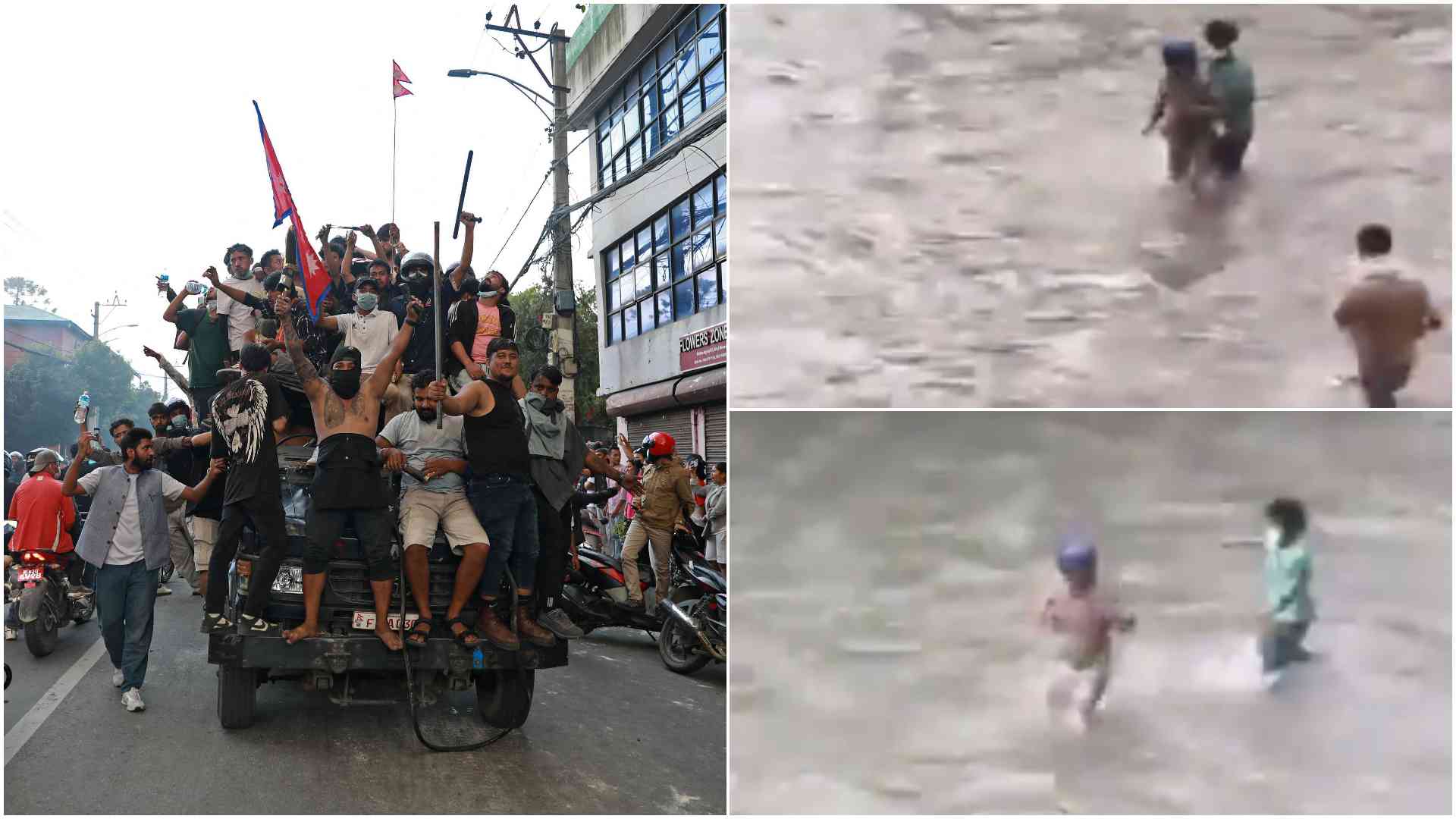
In one of the most shocking moments of the protests, angry crowds stripped Finance Minister Paudel of his clothes and chased him into a river as he tried to escape.
Videos of the dramatic scene spread quickly online, fuelling outrage against the political class and symbolising what many protesters called the end of tolerance for corruption and nepotism in Nepal’s leadership.
The protests, which erupted on Tuesday, September 9, were largely led by young Nepalis defying a government-imposed curfew.
Their demands ranged from lifting a controversial social media ban to tackling rampant corruption, youth unemployment and economic hardship. Protesters set fire to parliament and several government buildings in Kathmandu, filling the capital’s skies with thick smoke as others stormed political figures’ homes.
According to Al Jazeera, Prime Minister Oli tendered his resignation in a letter to President Ramchandra Paudel, writing: “In view of the adverse situation in the country, I have resigned effective today to facilitate the solution to the problem and to help resolve it politically in accordance with the constitution.”
BBC footage showed jubilant protesters waving Nepal’s flag, chanting slogans and dancing around bonfires at the entrance of parliament. Some daubed anti-government graffiti across the building’s exterior, while others carried placards demanding transparency and the reversal of the social media ban.
The government had announced the ban on Facebook, YouTube and X, claiming the platforms failed to register under state supervision. But to the youth, it was seen as an attack on free expression.
Their anger also turned toward the privileged lifestyles of political leaders’ children, whom they labelled “Nepo kids,” highlighting the deep divide between elites and jobless young people.
Following the chaos, Nepal’s army chief General Ashok Raj Sigdel appealed for calm, urging demonstrators to engage in dialogue. He admitted that looters had taken advantage of the unrest but insisted the army remained committed to preventing further bloodshed.