
Cambodia to Implement Laws Allowing Citizenship Revocation
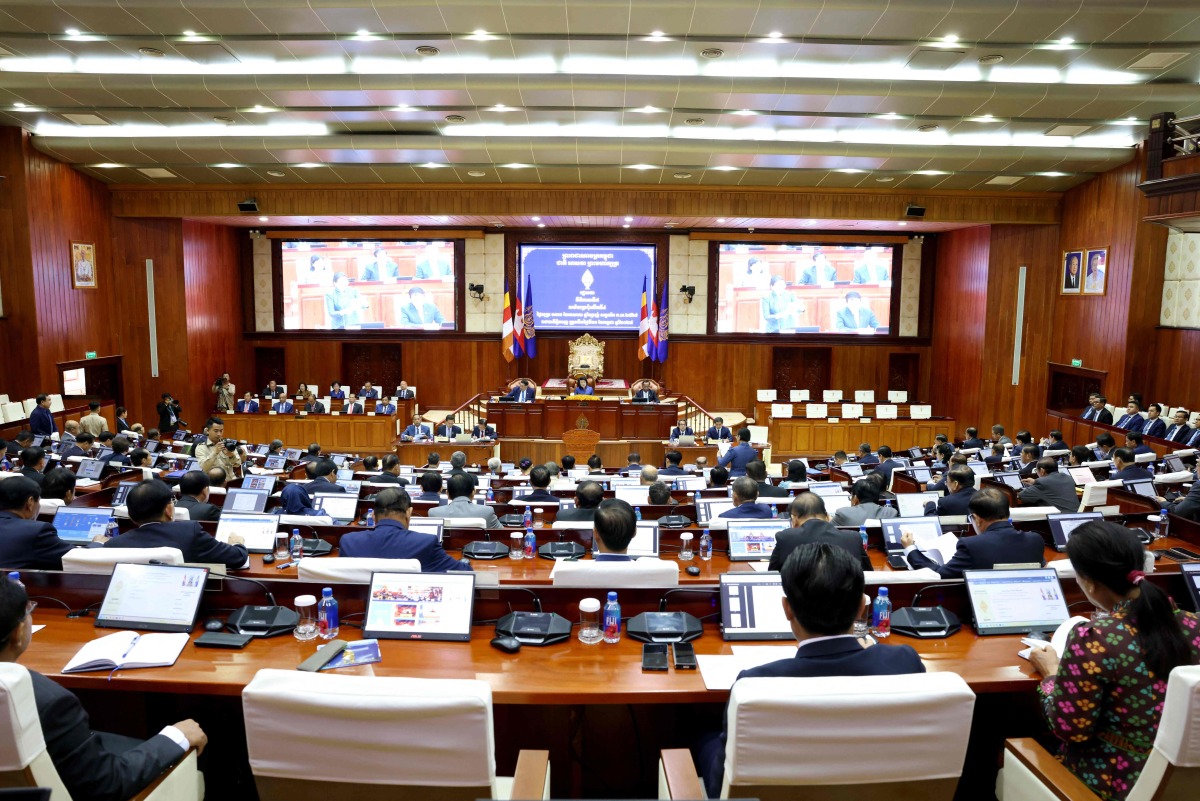
Phnom Penh: On Friday, Cambodian lawmakers amended the constitution to allow for the potential revocation of citizenship for individuals accused of collaborating with foreign entities.
This development has sparked concerns that such legislation could be used to stifle dissent against the government.
Human rights groups have long criticized the Cambodian government for enacting stringent laws aimed at suppressing opposition and legitimate political dialogue.
All 125 members of Cambodia’s legislature, including Prime Minister Hun Manet, unanimously endorsed the constitutional amendment, which now stipulates that “the acquisition, loss, and revocation of Khmer nationality shall be determined by law,” according to reports from AFP journalists.
The former constitutional provision stated that “no Khmer citizen shall be deprived of their nationality, exiled, or extradited to another country except through mutual agreement.”
Justice Minister Koeut Rith informed the press that this amendment would pave the way for laws enabling the government to revoke citizenship from individuals considered to be collaborating with foreign powers against the state.
“If you betray the nation, the nation will not keep you,” he stated, indicating that a new law concerning citizenship revocation would soon be submitted to the National Assembly for review.
However, human rights advocates are apprehensive that such legislation could be weaponized against government critics and opposition figures.
In a statement issued on Friday, Amnesty International denounced the potential for citizenship revocation as a “serious violation of international law.”
“We are deeply concerned that the Cambodian government, now empowered to revoke citizenship, will misuse this authority to silence its critics and render them stateless,” remarked Montse Ferrer, the regional research director for Amnesty International.
Border Dispute
A briefing from the European Parliament in February noted that citizenship can be revoked on grounds of treason or disloyalty in 15 EU countries, and only for naturalized citizens in eight of those nations.
Former Prime Minister Hun Sen, the father of Hun Manet, recently supported constitutional amendments to permit the stripping of nationality from Cambodians who “align with foreign nations to harm our country.” This statement followed criticism from exiled opposition figures amid an ongoing border dispute with Thailand.
Koeut Rith dismissed worries about the potential misuse of the law.
“If they (government critics) do not engage in treasonous acts or actions harmful to national interests, they will not face citizenship revocation, although they may encounter other legal challenges,” he added.
Many opposition activists have been imprisoned or are facing legal actions initiated by Cambodian authorities.
Opposition leader Kem Sokha was sentenced to 27 years in prison for treason in 2023—a charge he has consistently denied—and was subsequently placed under house arrest.