


Home African News 10 Fatalities and Numerous Injuries in Kenya’s ‘Saba Saba Day’ Protests

10 Fatalities and Numerous Injuries in Kenya’s ‘Saba Saba Day’ Protests

310
0
10 Fatalities and Numerous Injuries in Kenya's 'Saba Saba Day' Protests

10 Fatalities and Numerous Injuries in Kenya’s ‘Saba Saba Day’ Protests

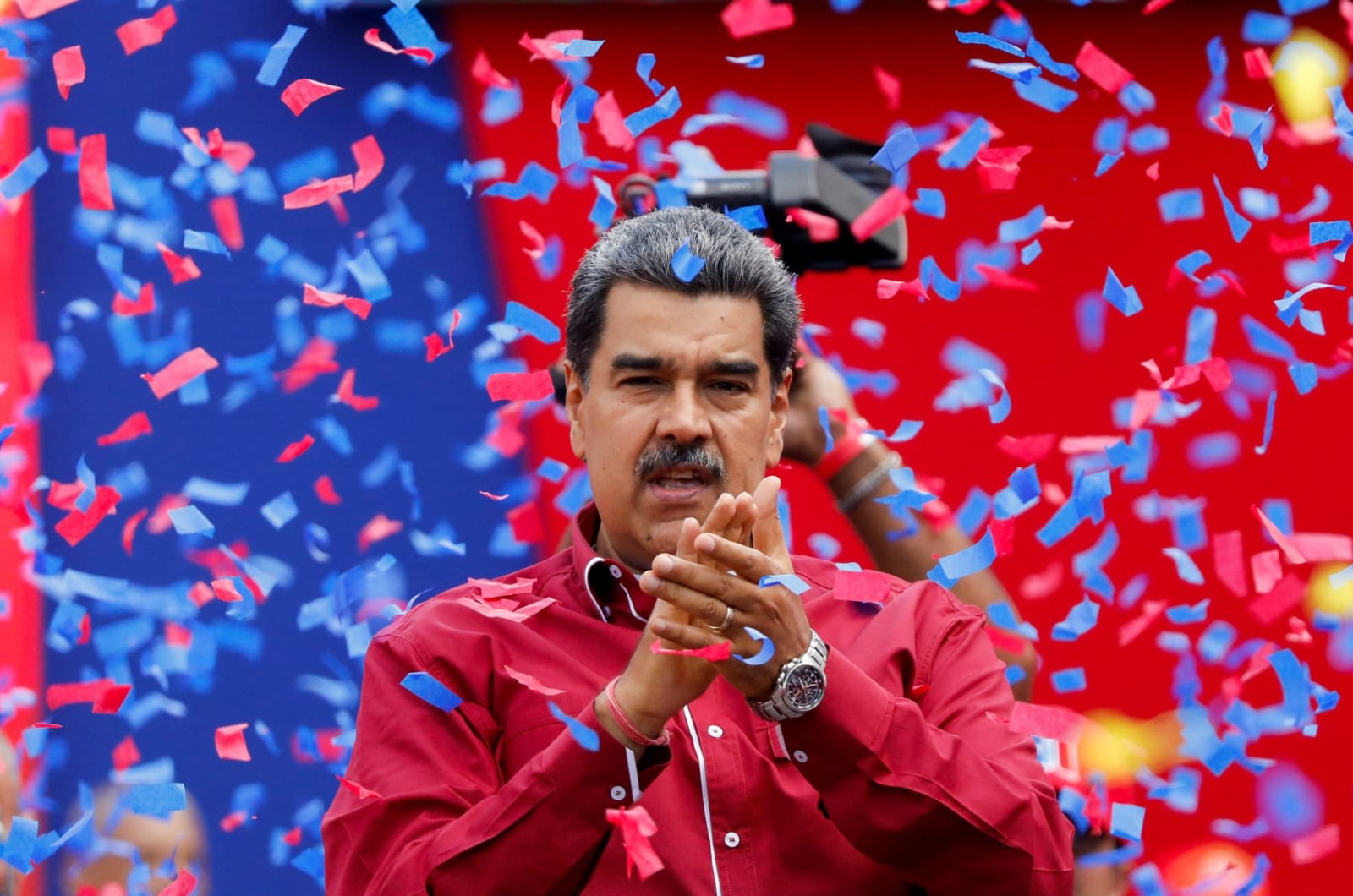
On July 7, anti-government protests known as “Saba Saba Day” led to violent confrontations between police and demonstrators in Kenya, resulting in at least 10 deaths, according to the state-funded human rights commission.

This unrest is part of a broader pattern of violence linked to calls for police accountability, which intensified following the recent death of a blogger in custody and previous protests that turned fatal.

In response to the escalating situation, authorities enacted stringent measures, including the closure of major roads leading to the capital, Nairobi, and the shutdown of many businesses.

Protesters ignited bonfires and threw stones at law enforcement, who retaliated by firing shots and deploying tear gas, leading to injuries among the demonstrators.

Eyewitnesses recounted seeing a young man being carried away, his shirt drenched in blood from a gunshot wound. Protests were reported in 17 of the country’s 47 counties.

For several weeks, Kenyan youth and other citizens have expressed their grievances regarding police brutality and poor governance, calling for the resignation of President William Ruto amid allegations of corruption and the escalating cost of living.

“Saba Saba,” meaning “Seven Seven” in Swahili, is historically significant in Kenya, marking the anniversary of the first major protests 35 years ago that advocated for a shift from a one-party system under then-President Daniel arap Moi—who was Ruto’s mentor—to a multiparty democracy, achieved in the 1992 elections.

On Monday, police restricted access to Nairobi’s city center for both private and public vehicles and limited pedestrian entry to those with essential duties. Key routes leading to parliament, which was stormed during a protest last year, and the president’s office were barricaded with razor wire.

“There is no reversing the Gen Z Saba Saba-like spirit,” remarked Macharia Munene, a professor of history and international relations at United States International University Africa in Nairobi.

“Efforts to criminalize protests are reactive and ineffective, making the government appear regressive and desperate to undermine the constitution.”

Interior Minister Kipchumba Murkomen stated on Sunday that the government would not permit violent protests and that police would be deployed to ensure public safety.

Last month, he instructed police to “shoot on sight” anyone approaching police stations during protests after several were set ablaze.

Public Service Minister Geoffrey Ruku urged all government employees to report to work on Monday, asserting that the demonstrations would not disrupt public services.

In Kitengela, a town on the outskirts of Nairobi, police deployed tear gas to disperse protesters who had set bonfires on a road leading to neighboring Tanzania.

“They have blocked the roads, preventing us from getting to work. I am a roadside vendor and need to reach town to buy goods to sell,” stated protester Caleb Okoth. “What do they expect us to eat? People are being beaten like dogs for standing up for their rights.”

The recent escalation in violent protests was triggered by demands for police accountability following the death of a blogger in police custody last month. Additionally, during protests on June 17, a police officer shot a civilian at close range, further igniting public outrage.

On June 25, at least 19 individuals were killed and over 400 injured during protests against police brutality, coinciding with the one-year anniversary of anti-tax demonstrations that resulted in over 60 fatalities when parliament was stormed.

LEAVE A REPLY

Please enter your comment!
Please enter your name here