


NSSF is investing Ksh 30 billion in the Rironi–Mau Summit toll road, aiming to deliver 17% annual returns to members while expanding into major infrastructure and real estate projects.
The National Social Security Fund (NSSF) has unveiled an ambitious investment move that could significantly boost retirement savings for millions of Kenyan workers. The fund plans to inject Ksh 30 billion into the construction of the Rironi–Mau Summit toll road, with projections showing a strong 17 percent annual return for contributors.
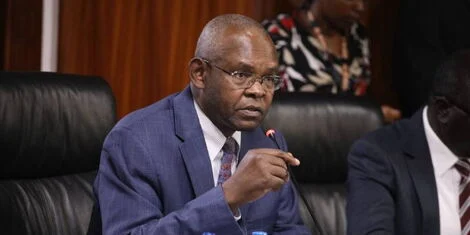
NSSF Chief Executive Officer David Koross said the fund is shifting toward smarter, high-impact investments designed to grow members’ savings faster.
According to Koross, strategic decision-making and diversification are critical if NSSF is to deliver better benefits and remain competitive in Kenya’s evolving economic landscape.
The Rironi–Mau Summit highway, a 175-kilometre stretch** of the A8 corridor, is currently being expanded into a dual carriageway under a Public-Private Partnership model.
The project, launched by President William Ruto in late 2025, is expected to ease congestion, improve road safety, and strengthen transport links between Nairobi and western Kenya. Completion is targeted for June 2027.
NSSF trustee Mike Macharia, representing the Federation of Kenya Employers (FKE), described the toll road as a sustainable income generator that aligns with the fund’s long-term growth strategy.
He assured Kenyans that a free alternative route will remain available for motorists who prefer not to use the toll option. Macharia added that leveraging domestic pension funds for infrastructure development reduces dependence on foreign borrowing.
Beyond infrastructure, NSSF is also positioning itself aggressively in the real estate sector. Trustee Rose Omamo, representing COTU, confirmed plans for a landmark skyscraper on NSSF-owned land along Kenyatta Avenue.
The proposed development estimated at another Ksh 30 billion will include hotels, commercial space, apartments, and retail outlets, potentially redefining Nairobi’s skyline.
Fund officials emphasized that all investments undergo strict due diligence, professional management, and regulatory oversight under the Retirement Benefits Authority. Internal controls and board supervision are meant to safeguard contributors’ money while maximizing returns.
Omamo noted that NSSF continues to play a vital role in strengthening Kenya’s retirement savings culture, particularly in a country where long-term saving remains low.
By expanding into high-value projects, the fund aims to grow toward the Ksh 1 trillion mark while improving long-term benefits for members.
If successful, these investments could signal a new era for NSSF one where pension savings actively fuel national development while delivering stronger financial security for Kenyan workers.